Villa Musa
Exclusive Luxury Retreat
Set on the western shore of Lake Como near Lenno, Villa Musa is a luxurious retreat...
Read more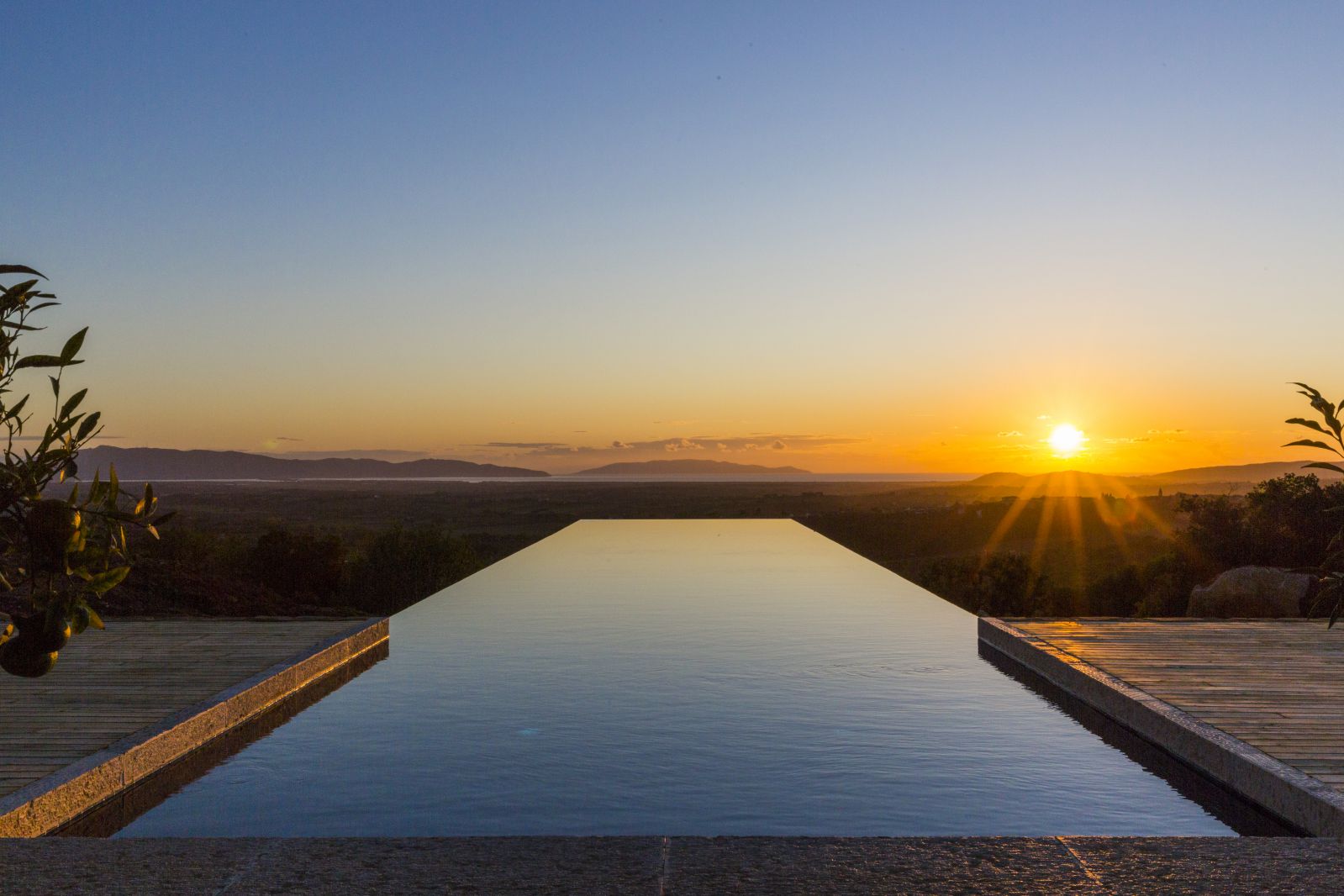
The construction of a luxury villa in Tuscany rarely begins with a man teaching workers how to forge their own nails. Argentaia Estate did. Before it became a sanctuary of understated luxury, it was a story of craftsmanship, patience, and a desire to restore something truly authentic.


“You don’t wake up one morning and decide to build a castle. Unless you’re completely mad.”
— Paolo Vico, Owner of Argentaia Estate
Paolo Vico, the owner of Argentaia Estate, designed and built the estate himself, deliberately choosing a path that went against the advice of nearly everyone he spoke to.
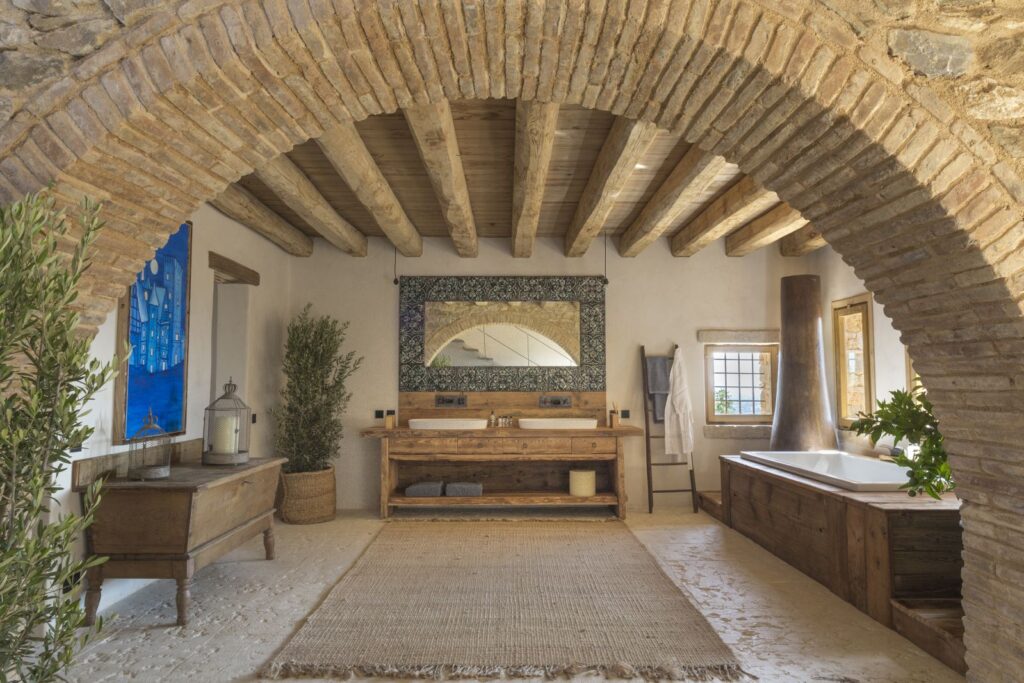
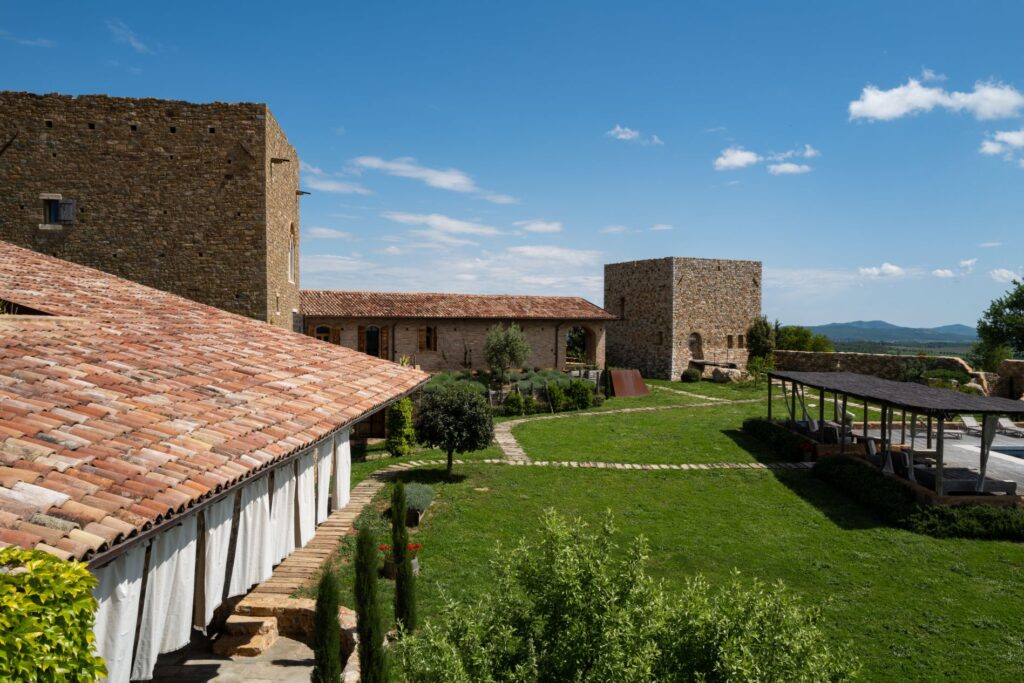
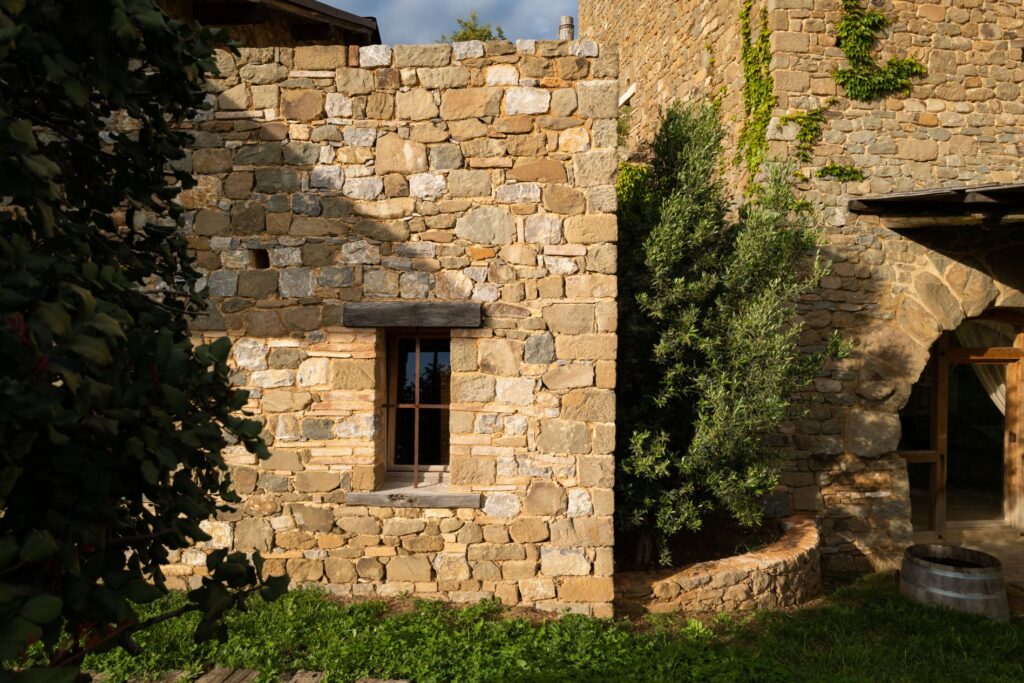
There is no glue in its doors and no screws in its planks, only hand-cut stone and twenty-five-centimetre iron nails, bent twice by hand to hold the planks together, the way it was done before anyone thought to do it faster.
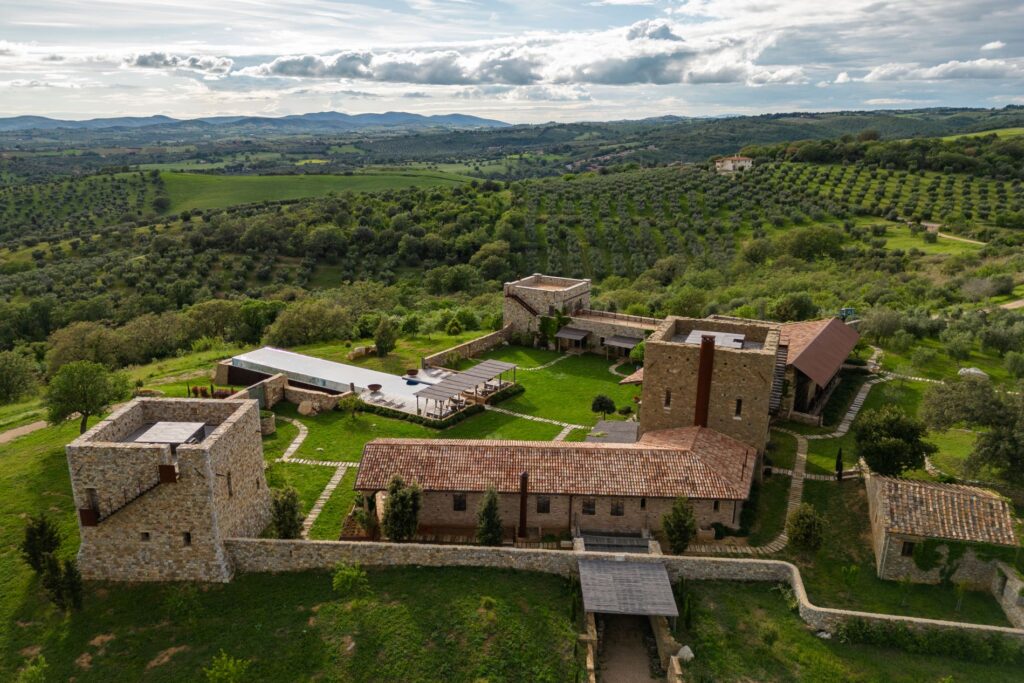
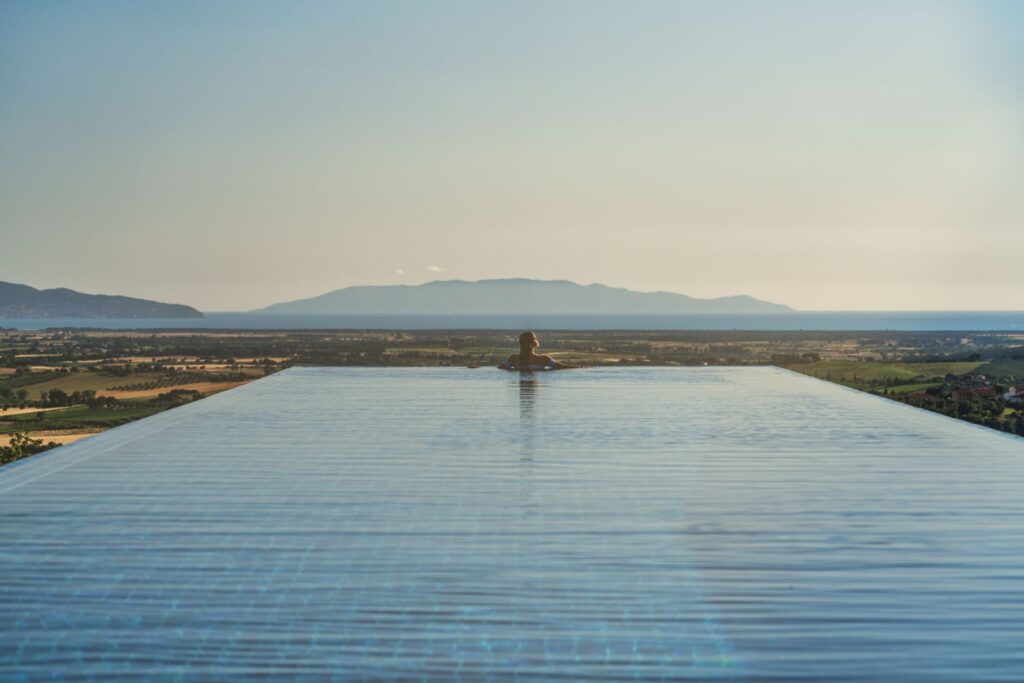
Argentaia is a nine-bedroom estate on 80 hectares of the Maremma, between the Tuscan hills and the Mediterranean, looking out towards the islands of Giglio and Montecristo. It sleeps up to 18 guests and was raised on the site of a cloistered monastery using ancient construction techniques rather than concrete and steel.
But Paolo is quick to say the estate was never the point on its own. A castle, for him, came from something older than architecture.
“As you become more mature in life, and as you have family or people to protect, the castle is one idea of keeping everybody within walls, as it used to be.” He knows the walls are symbolic now. “Everybody can storm the castle these days. It’s more a mental process.”
Let us plan your stay at Argentaia Estate.
The hill on which Argentaia stands carries a history that stretches back more than two thousand years. Considered sacred ground since the ninth century BC, it later became home to a monastery in the ninth century AD. Centuries afterward, the monks of Argentaia contributed stone from the site to the nearby Abbey of San Bruzio, built in the eleventh century just below the estate.
“The place has been holding a monastery for a good part of eight centuries, and before it was a sacred place,” Paolo says. “What you feel is bliss.”
That history is not a backdrop. It is the thing Paolo wanted guests to feel before they could name it, and the reason he insists the estate is about more than what the eye takes in.
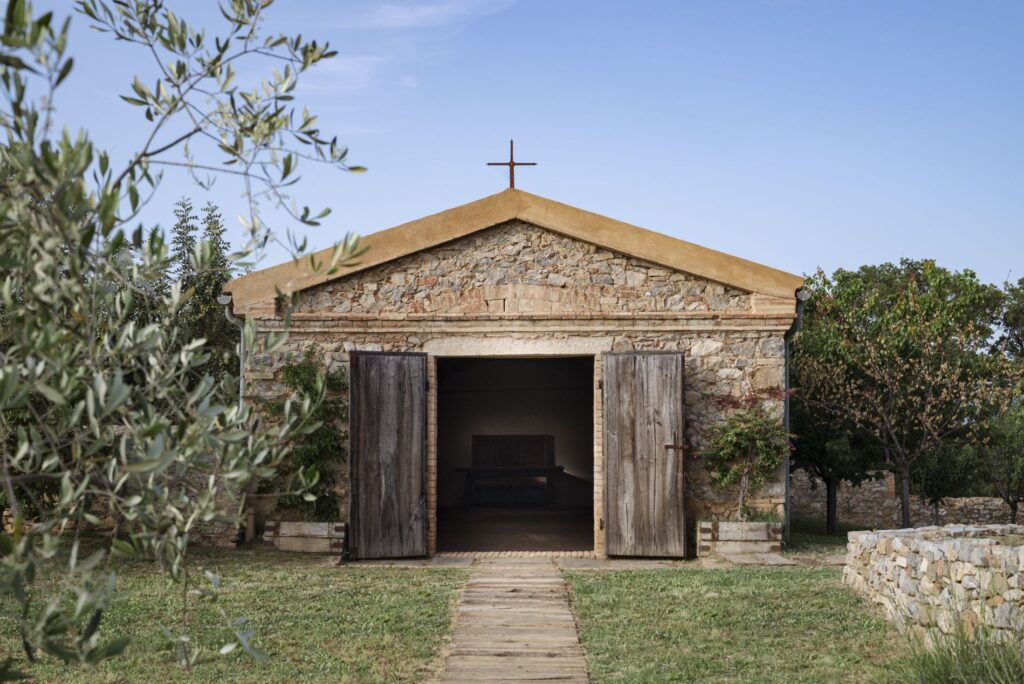
The decision that shapes everything at Argentaia is the refusal to take a shortcut. Paolo taught himself ancient construction, mostly from books, because there was no architect to hire for the job.
“I don’t think many are as crazy as me to want to build with stone, and a castle. So you wouldn’t find an architect that could make a living doing that.”
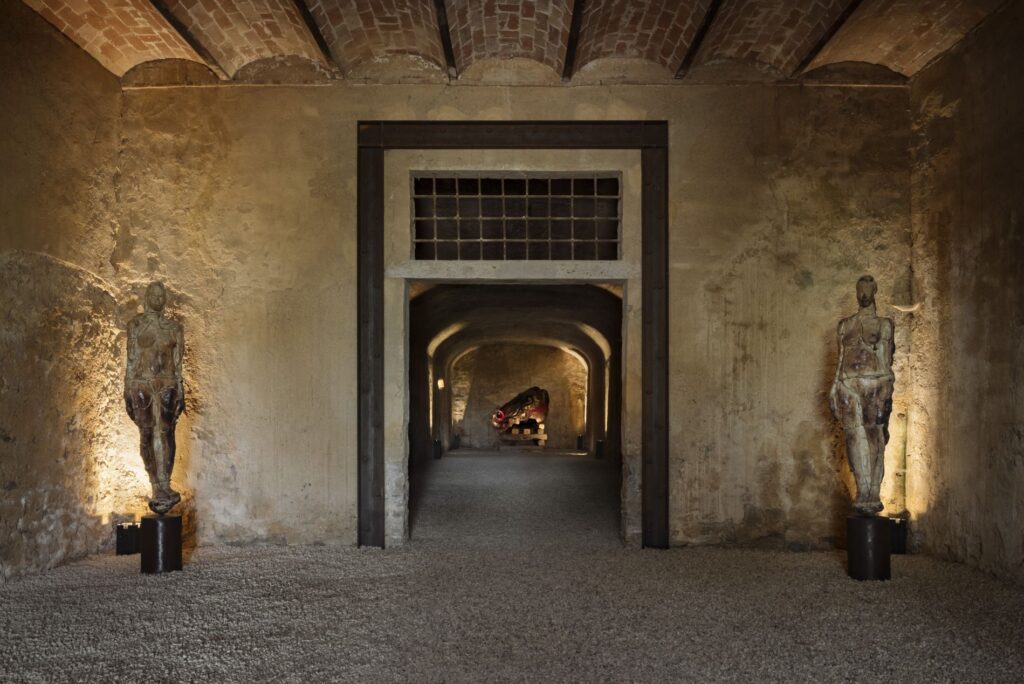
His reasoning is simple and firmly held. He spent much of his life in New York and London, watching towers go up in a year and look dated in ten. Roman work does the opposite.
“The older they become, the more beautiful, the more interesting.” He points to a detail that still astonishes him: Roman builders charred olive wood before sinking it as palisades, so it would endure for centuries where ordinary timber would fail. Some of that wood is still standing two thousand years later. “That, for me, is a marvel that we have forgotten, and wrongfully so.”
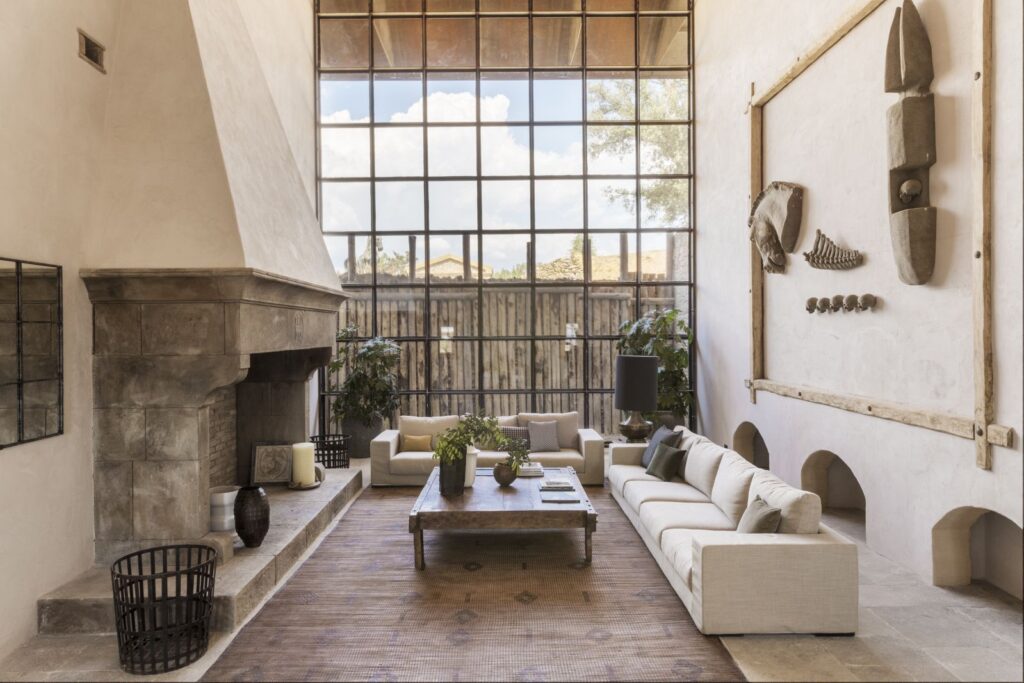
The style he settled on is Romanesque, a combination of stone, brick, travertine and marble. Stone is laid vertically rather than flat, because a stone with a twenty-five-centimetre base can carry several times the weight of one laid on its side. Arches hold tons of load without glue. None of it is quick. All of it is meant to last.
Paolo’s argument for stone is also an argument about how things should age. Concrete and modern paint, he says, fade and lose their lustre within a few short years. Stone does the reverse.
“It washes out and is only more beautiful, more polished, and people admire it for centuries.” The materials, in his telling, do not get old. They age with grace.
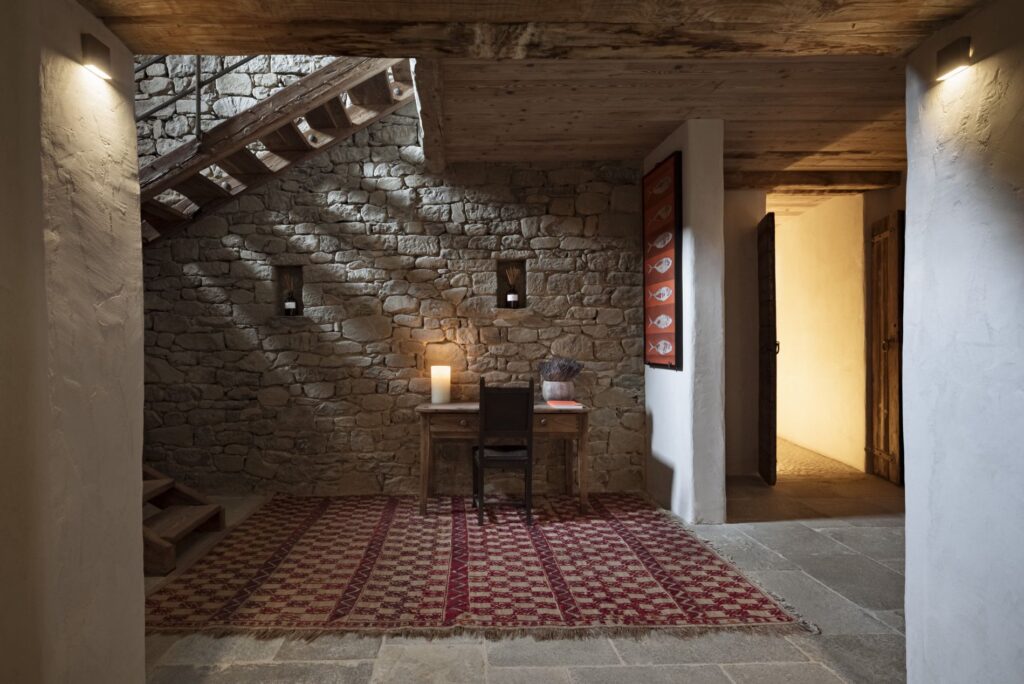
The philosophy extends far beyond the walls, reaching into every detail and every handcrafted element of the estate. A few of the choices that define Argentaia:
– Doors and wooden planks secured with hand-forged iron nails, following traditional building methods rather than modern shortcuts
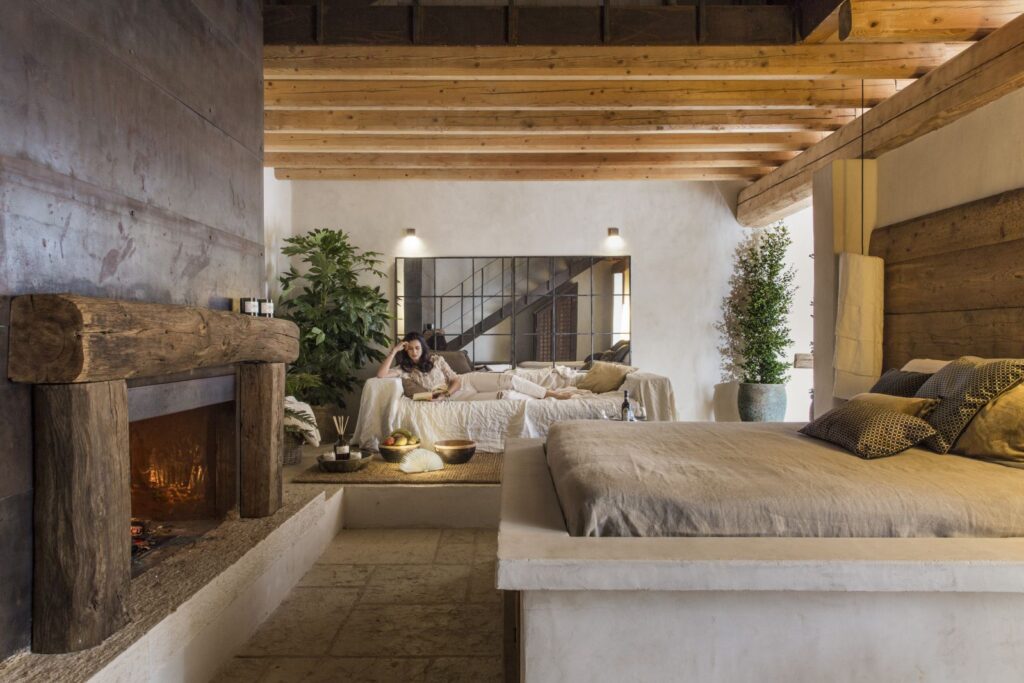
– Stone walls and floors crafted from locally sourced materials, naturally helping to regulate the temperature of the rooms
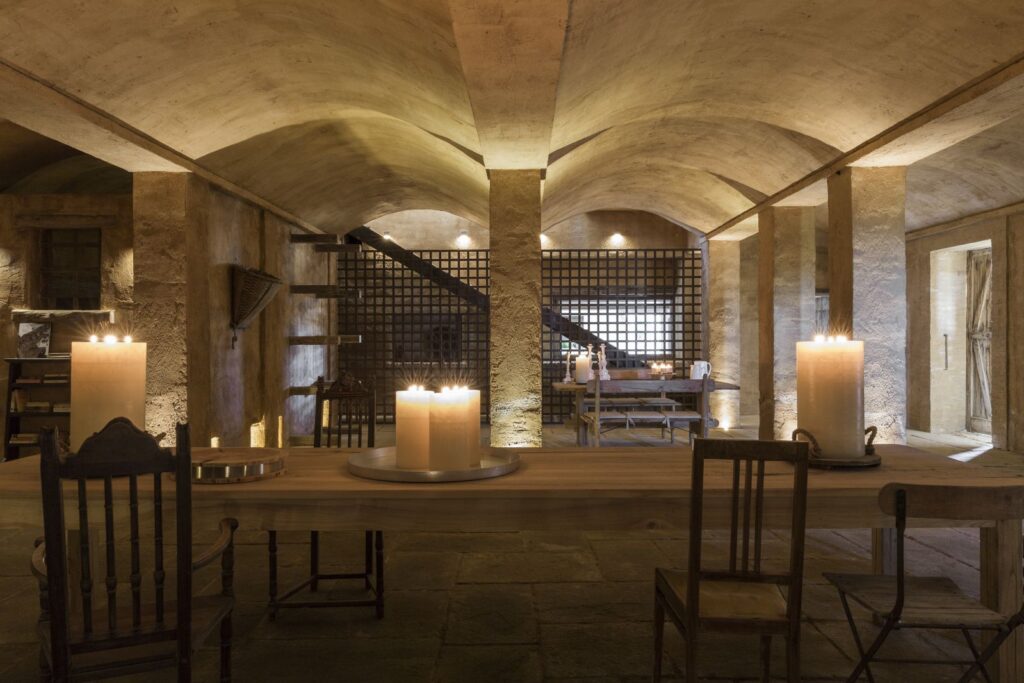
– Drawers, railings, handles and even the smallest details finished and coloured by hand
– Bespoke furniture created specifically for the scale of each room, with sofas designed to welcome gatherings of twelve to sixteen guests
– Ingredients grown and produced on the estate itself, from eggs and vegetables to wine and olive oil from its gardens, orchards and vineyards
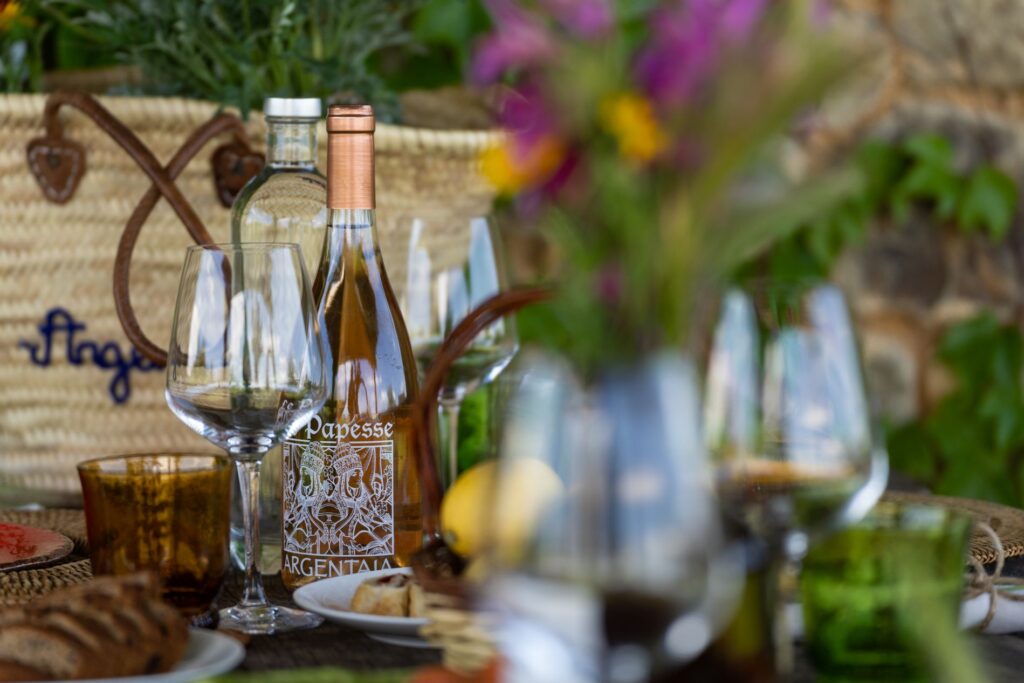
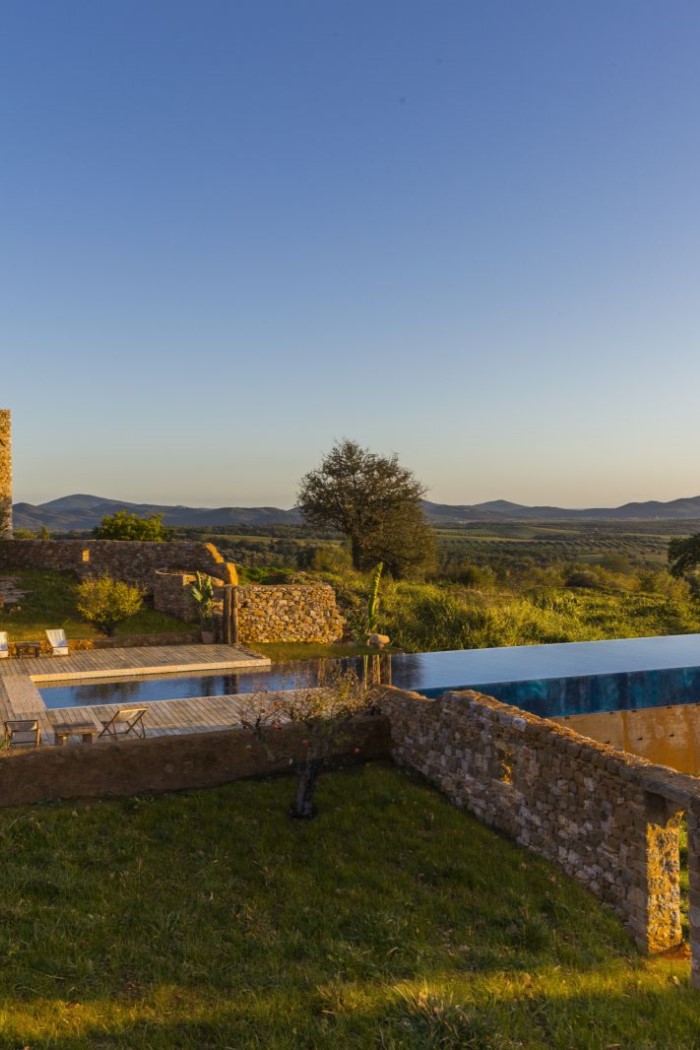
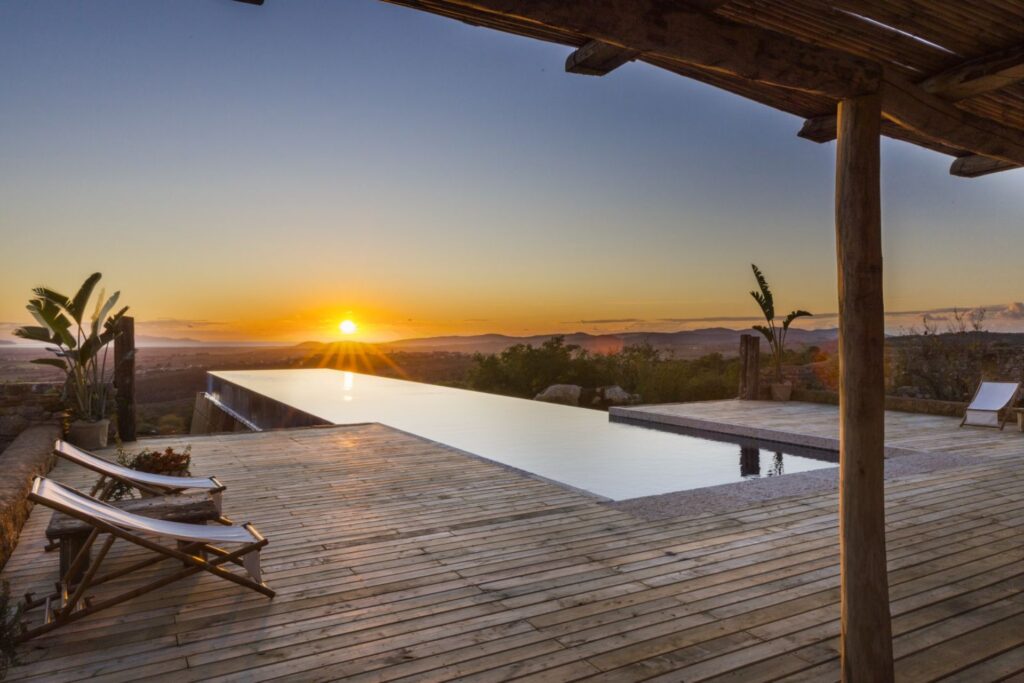
Paolo refuses to name a favourite feature. The whole point, he says, was “to always downplay everything and to keep it the right size, so that everything looks obvious, even when it’s gigantic.” The estate has what he believes is the longest private swimming pool in Europe, yet in its setting it reads as exactly the size it should be.
Building this way ran against the grain of the modern world at almost every turn. The first hurdle was bureaucratic.
“The biggest challenge is to convince the Italian authority,” Paolo says. The difficulty was less about resistance than a blank space in the rules. “There is nothing that encompasses the construction of a castle in the year 2000, made out of stone and wood.” The regulations had simply never imagined a project quite like it.
Then there was the loss of an older way of building. Paolo longed for the capomastro — the master builder who once held the entire vision of a project in his head and brought every element together with his own knowledge and experience.
“He knew everything, from A to Z, so he could envisage the whole building while designing it. Today it’s delegated to so many people. An engineer for the structure, an engineer for the piping, an engineer for the electrics.” The work, he believes, is no longer as coherent as it was for centuries. Argentaia was held in one vision instead.
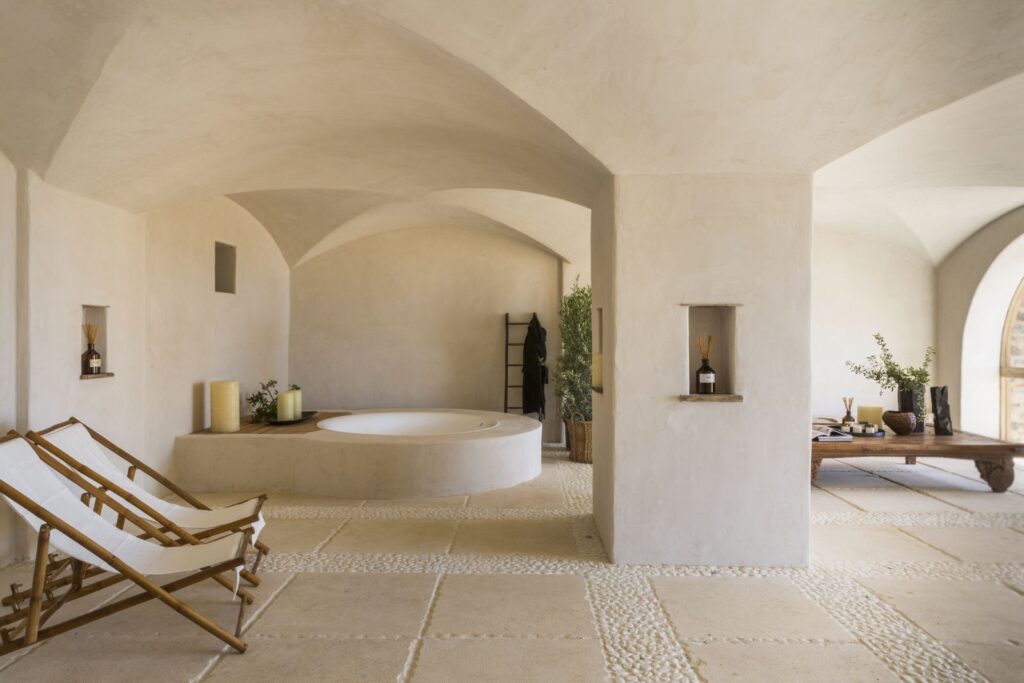
Doing things properly was never the easy path, and craftsmen who can still work stone in this traditional way are increasingly rare — and highly sought after.
“One of the biggest parts of this job is holding steady to the line you decided to take, and not compromising halfway through.” Paolo describes it simply, without self-praise: as the determination to carry a vision through to the very end.
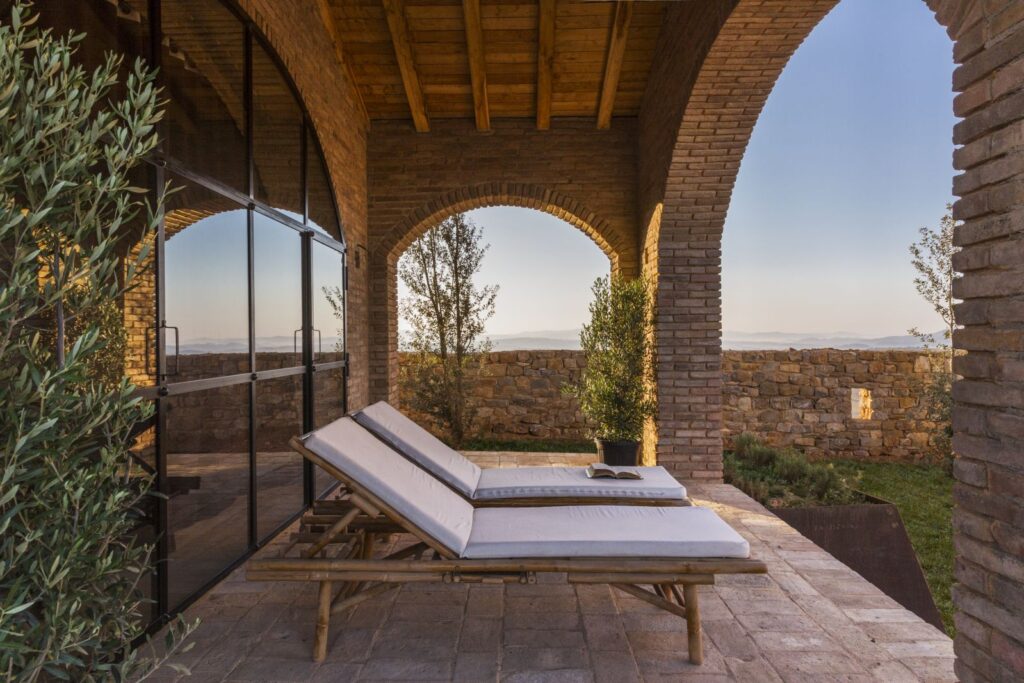
For all the talk of stone, Paolo returns again and again to people. The proof of the work, for him, is not only in the architecture, but in the pride, care and connection felt by those who built it.
He describes crews returning with their families to show them what they had built, some of them thanking him for the chance to make something that would outlast them.
“Every single stone bears the chisel of the person who cut it and laid it down. It all goes back to people.”
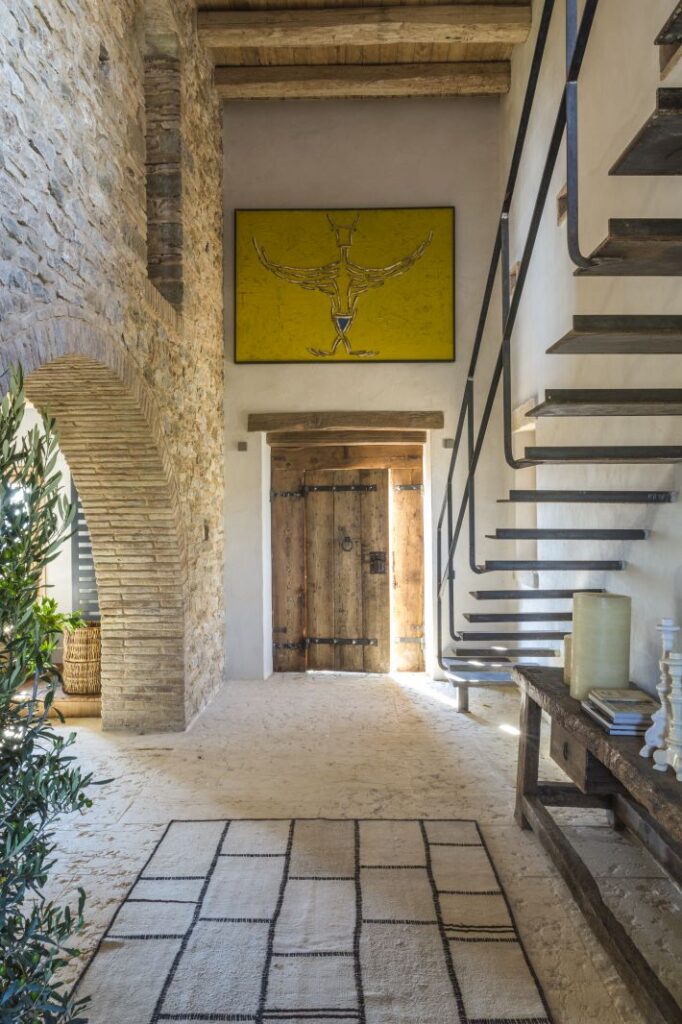
The same instinct shaped how he chose the team that runs the estate. He could have hired an impeccable British butler, he says, and deliberately did not.
“I wanted guests to feel it is their home.” He looked for people who were warm and genuinely attentive before they were polished. “Even the most skilled butler should adapt to a way of serving that is less formal and more kind.”
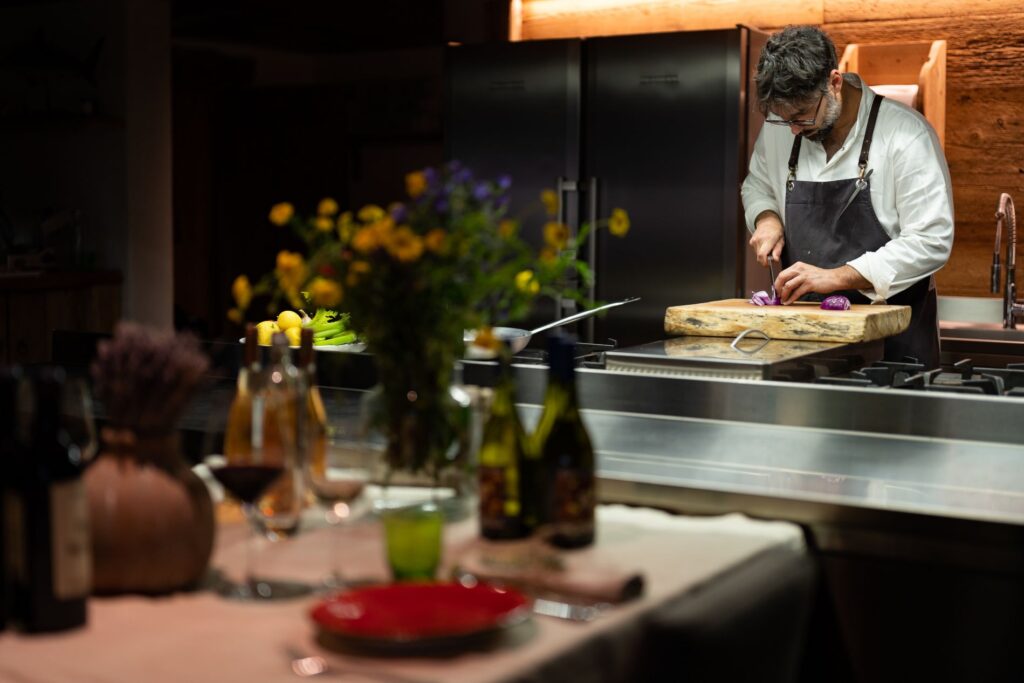
Argentaia is designed for those who travel constantly. Paolo talks about guests who are “super mega busy, doing billions of things, connected on the phone every time,” and a week here as a way of “stopping the clock and giving them time to reset.”
Among all the feedback Paolo has received, two things guests said have stayed with him. One guest wrote that it takes “the patience of a monk, the ingenuity of a boy and the strength of a warrior” to build something like this. Another offered a simple but powerful line: “I hope heaven will not disappoint you.”
What Paolo wants for guests is, at its core, beautifully simple: children discovering what a cherry tree looks like, eggs collected in the morning, an omelette prepared together with the chef, watching fireflies appear after sunset. The estate offers everything around them, but Paolo always returns to these small, meaningful moments.
“Sometimes basic needs are not given by cars or money or being famous,” he says, “but just being able, with your children, to discover things.”
Paolo knows not everyone will follow him. He describes the whole project as a quiet ideal — a flag planted by one person, knowing that most will pass it by and only a few will truly understand. “My motto is that sometimes you take one step back to make one step forward.” After a lifetime of moving forward, he wanted to show there is another way to live well.
It is a large claim for an estate, even one of this scale. But it is the claim Argentaia was built to make — stone by hand-cut stone, on land that has carried a sacred history for more than two thousand years. Here, the clock was set to a slower time on purpose.
“Argentaia was built on the belief that finding yourself begins with returning to nature.”
— Paolo Vico, Owner of Argentaia Estate
When you are ready to trade the noise for slower hours, Argentaia will be waiting. Come and discover what the stone, the land and the generations before it have been preserving all this time. We would be honoured to welcome you.
Let’s talk! Schedule a personalised video call with our team to discuss your questions.
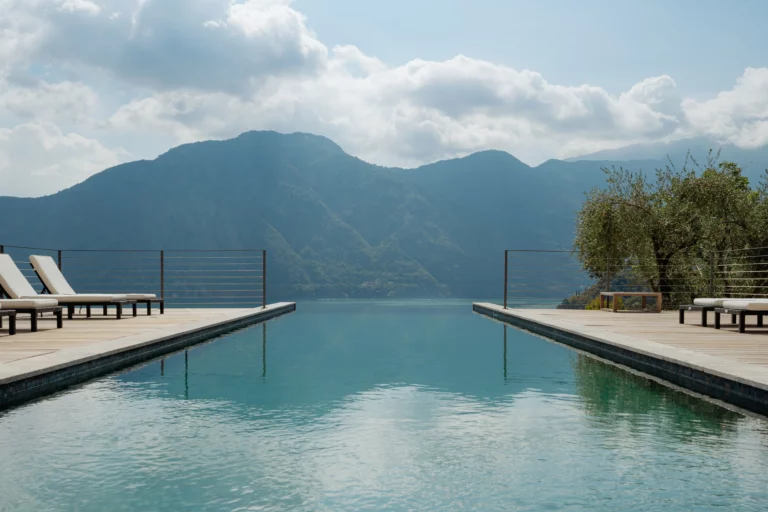
Villa Musa
Set on the western shore of Lake Como near Lenno, Villa Musa is a luxurious retreat...
Read more
Guide
Every day, we receive enquiries from clients seeking to book luxury villas...
Read more
Hours at Bora Bora One
Here’s what twenty-four hours looks like at Bora Bora One. Morning 8:30...
Read more