Venice Art Biennale 2024
Explore Palazzo Heureka’s Story
Exploring Venice during the renowned Venice Art Biennale, which takes place from 20th April...
Read more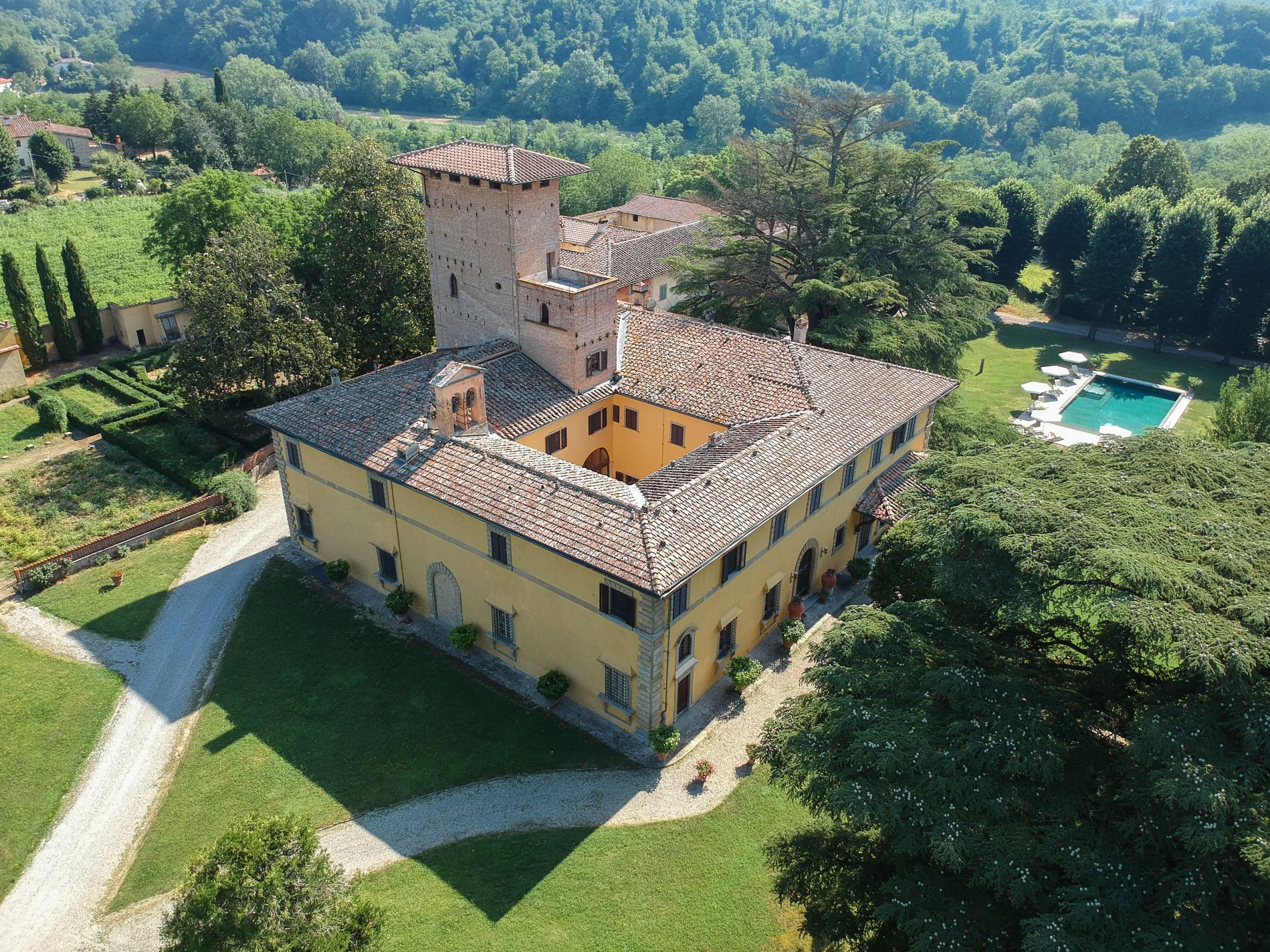
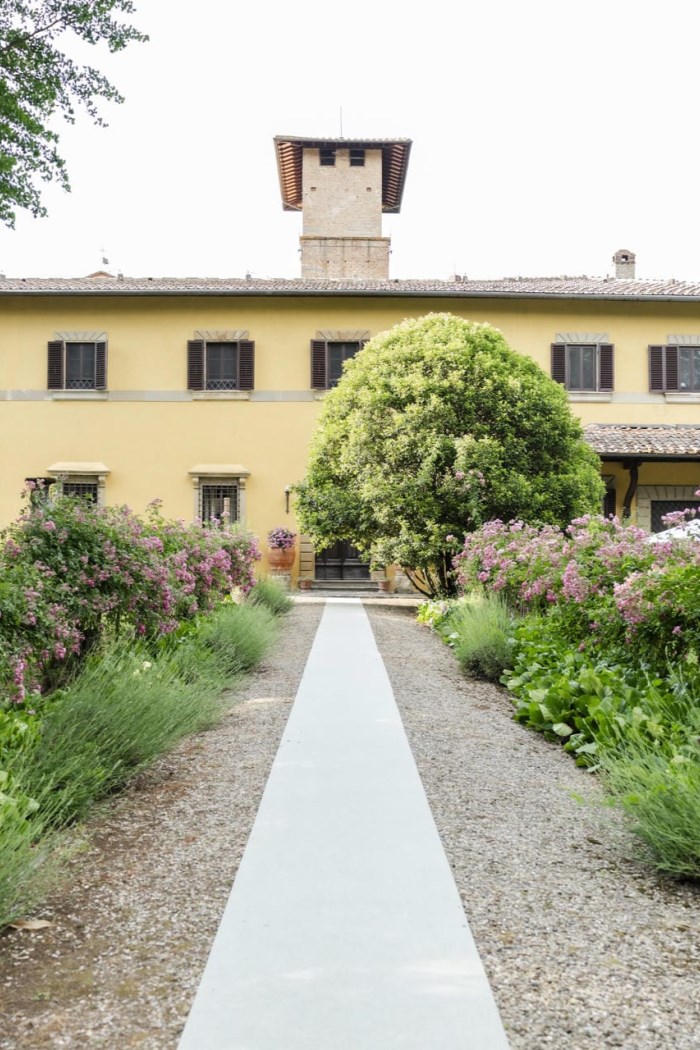
Castello del Monsignore's six-hundred-year history comes alive through experiences that reveal Tuscany's quiet mastery - from its marble quarries and wine cellars to its Renaissance legacy of etiquette and craftsmanship.
These intimate, curated experiences invite you to explore the region’s soul through its artistic traditions, its landscapes shaped by centuries of cultivation, and its enduring commitment to elegance and refinement.
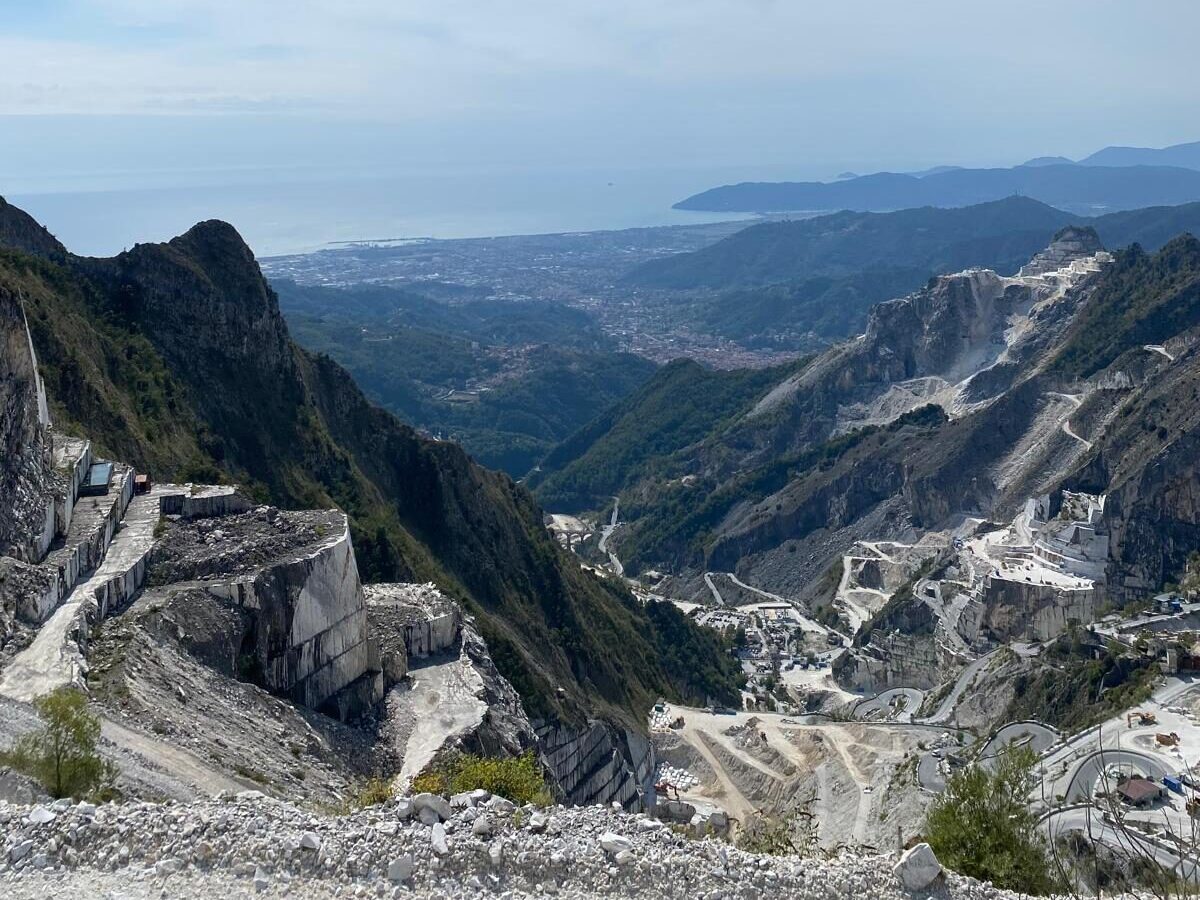
The journey begins not at the castle, but high in the Apuan Alps, where humanity has carved into mountainsides for centuries. Your private guide, an art curator specialising in international cultural projects, leads you to the very quarries where Michelangelo Buonarroti selected his marble in 1517.
Standing amid these white cliffs, you witness the extraction of the world’s finest marble, the same stone destined for museums, monuments, and masterpieces across the globe. But the true magic happens as afternoon softens into evening.
Your group is escorted to a specially prepared viewing point where an aperitif awaits: prosecco and local delicacies served as the sun descends, painting the marble walls in shades of amber and rose.
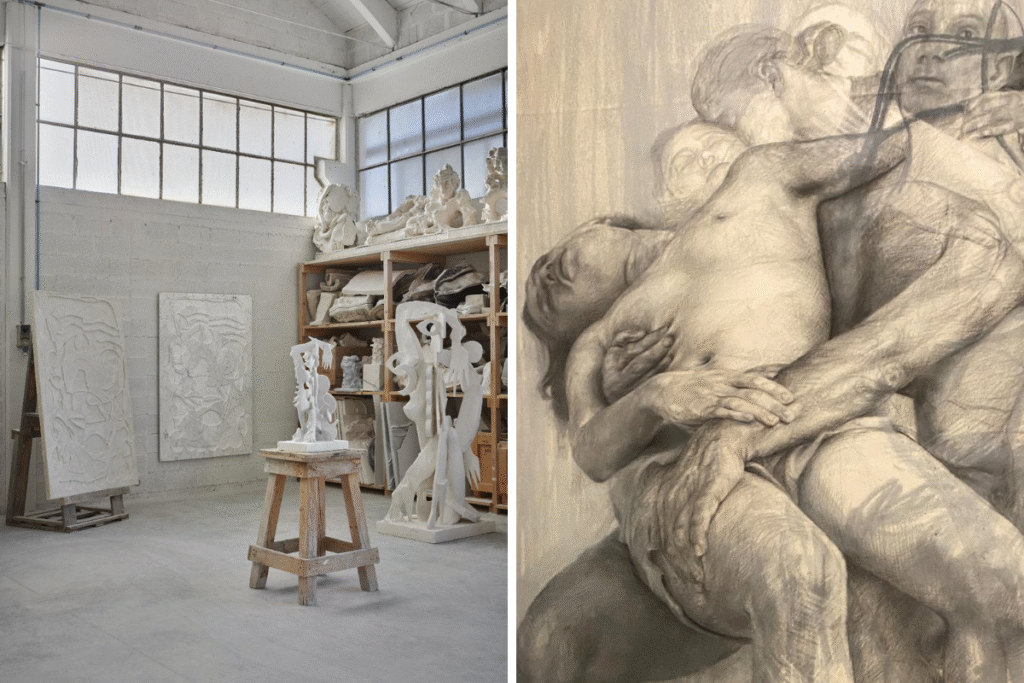
From these heights, you then descend to Pietrasanta, the ‘Little Athens’ of Tuscany, where the world’s most renowned sculptors maintain their studios.
Here, exclusivity takes on new meaning. These are not public tours but private visits arranged specifically for Castello del Monsignore guests, a chance to watch artists transform raw marble into contemporary visions, to understand their processes, and to see works in progress that will one day command museum walls.
With Castello del Monsignore, you will have the chance for exclusive access to Tuscany’s private art world. These aren’t the crowded halls of the Uffizi, though private museum visits can certainly be arranged.
Instead, you enter contemporary art collections rarely seen by the public, galleries where collectors have assembled works by emerging and established artists, spaces that pulse with creative energy.
More intriguing still are the wine estates. Tuscany’s winemakers increasingly double as art patrons, commissioning installations and building collections that rival their cellars in sophistication.
At these estates, your tasting experience intertwines with art tours, sipping Brunello while discussing a site-specific sculpture, or comparing the boldness of a Super Tuscan blend to the contemporary canvases surrounding you.
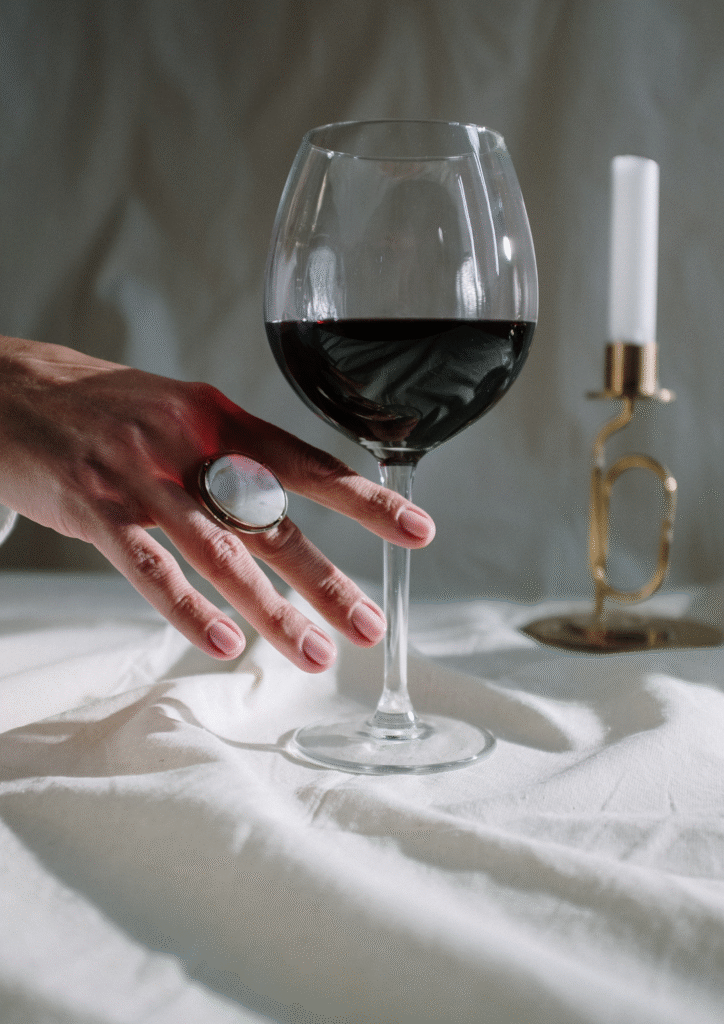
At one property, you might sample Chianti Classico while walking through a gallery of Italian modernist paintings. At another, site-specific sculptures punctuate the vineyard rows, each piece commissioned to complement the landscape. The winemaker discusses terroir and technique, but also curatorial decisions, why this artist, why this piece, how the work changes with the seasons.
Tuscany’s wine estates offer intimate experiences that go beyond the typical tasting. These visits often include access to older vintages and reserve wines not available to the general public. The conversations range from fermentation temperatures to contemporary art markets, from sustainable viticulture to the challenges of preserving historical estates.
Each visit is exclusive and private, arranged specifically for you. No crowds, no rush, no standardised tour, just intimate access to the intersection of Tuscany’s two great passions: art and wine.
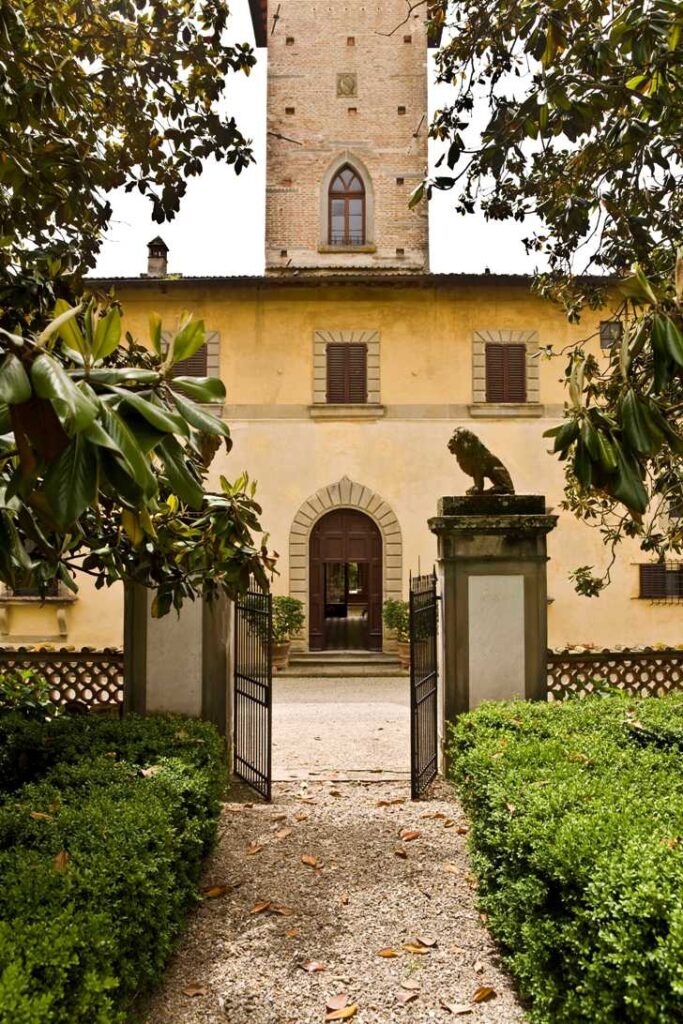
Giovanni della Casa was born within these walls in 1503, and his influence extends far beyond the castello’s stone and mortar. His treatise, Il Galateo, became one of the world’s earliest and most influential guides to etiquette, a book so essential that it was translated into numerous languages and served as a reference for the ladies-in-waiting to Queen Elizabeth I of England.
Today, the castello honours this legacy with Modern Etiquette Courses that reinterpret della Casa’s wisdom for contemporary life. These aren’t stuffy lectures but engaging, practical sessions held in the very rooms where the Renaissance writer once lived.
The Art of the Table transforms dinner into theatre. You learn not just which fork to use, but why the rituals of dining matter, how they create space for connection, how they demonstrate respect, and how they elevate a meal into an experience. The instructor, trained in both historical etiquette and contemporary social dynamics, explains the evolution of table manners from della Casa’s time to our own.
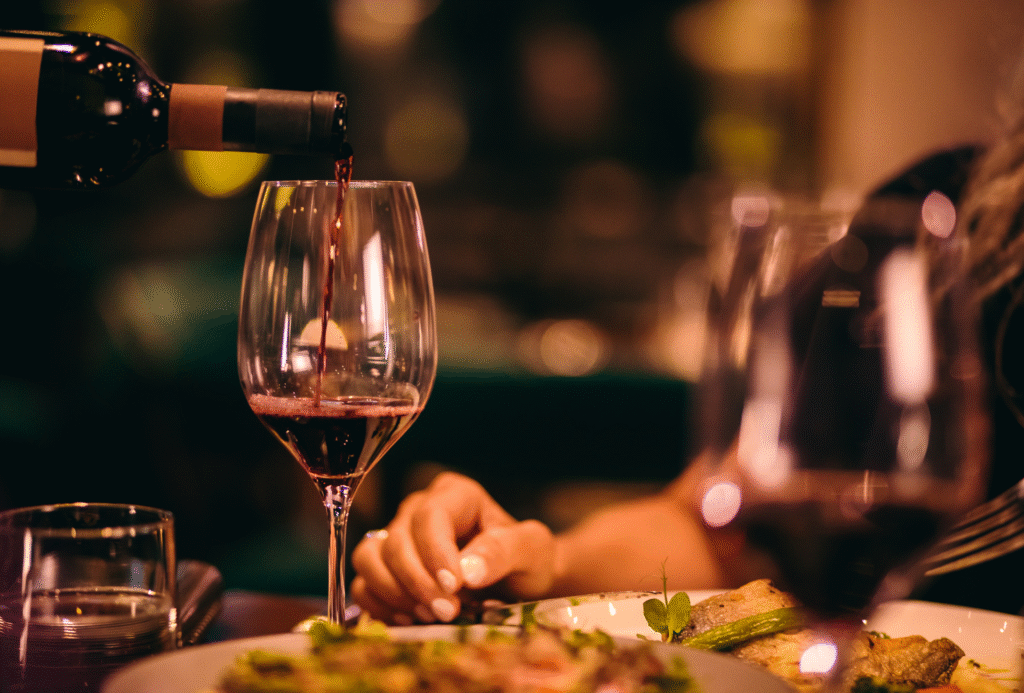
Gift Etiquette explores the delicate art of giving and receiving, touching on the cultural nuances that global citizens navigate daily. The Art of Elegance addresses not fashion rules but the confidence that comes from understanding how presentation communicates intention. Business Etiquette and Travel Etiquette round out the curriculum, offering practical guidance for modern professionals.
Throughout, the castello itself serves as the ultimate teaching tool. Walking through rooms where Renaissance nobles once gathered, you come to understand that etiquette isn’t about rigidity; it’s about creating an atmosphere of grace that makes everyone feel valued.
Forget dusty textbooks and grammar drills. Castello del Monsignore’s approach to language learning is as unconventional as it is effective.
Professional actors and language coaches guide you through an interactive performance where learning happens almost by accident. You’re given scenarios such as ordering at a market, asking for directions, or expressing delight at a meal, and encouraged to perform them with increasing complexity.
The actors respond in character, gently correcting pronunciation while keeping the momentum theatrical.
Laughter becomes the primary teaching tool. When you bungle a verb conjugation, the actor might exaggerate their confusion to comic effect, making the correct usage unforgettable. Physical movement reinforces vocabulary: you don’t just learn the word for jump (saltare), you jump.
Gestures, those quintessentially Italian accompaniments to speech, become part of your vocabulary.

By the end of the session, you’ve internalised dozens of phrases without realising you were studying. More importantly, you’ve lost the self-consciousness that so often inhibits language learners. Italian stops being a challenge and becomes play, which is precisely how native speakers learn it in the first place.
Florence gave the world not only the Renaissance but also a tradition of craftsmanship that continues to set global standards. During your stay, you’re invited into exclusive ateliers where master artisans practise skills passed down through generations.
Watch a shirtmaker cut fabric with scissors that have served his family for decades. Observe a cobbler as he moulds leather to wooden lasts, creating bespoke shoes that will conform perfectly to their wearer’s feet. These aren’t demonstrations for tourists; they’re working studios where you can commission pieces designed specifically for you.
The experience culminates at Fratelli Marzi, the Marzi family’s historic haute couture hat atelier. Here, amid shelves of ribbons, feathers, and felt, you work with master milliners to design your own custom hat. They guide you through styles, materials, and embellishments, translating your vision into wearable art.
Weeks later, when your completed hat arrives at your home, carefully packaged and dispatched anywhere in the world, it carries with it the essence of Florentine elegance and the memory of your Tuscan experience.
At Castello del Monsignore, art and tradition aren’t preserved behind glass – they’re lived experiences. The castello’s six centuries of history provide the backdrop for intimate encounters with Tuscany’s cultural legacy, from Renaissance etiquette to contemporary sculpture, from ancient marble quarries to modern wine estates.
Each experience is an invitation to connect with the artistry and refinement that have defined this region for generations. Plan your stay at Castello del Monsignore and discover the depth of Tuscan cultural mastery.


From EUR 60,200 per week to price on request
View detailsLet’s talk! Schedule a personalised video call with our team to discuss your questions.
Venice Art Biennale 2024
Exploring Venice during the renowned Venice Art Biennale, which takes place from 20th April...
Read more
Kim Kardashian
Kim and her family enthusiastically selected Costa Rica as their luxury holiday...
Read more
Bora Bora One
The atmosphere here is so special that often guests are moved to...
Read more