Lopud 1483
Monastery by the Sea
Lopud 1483 offers generous interiors, sunlit gardens, and notable art collection create...
Read more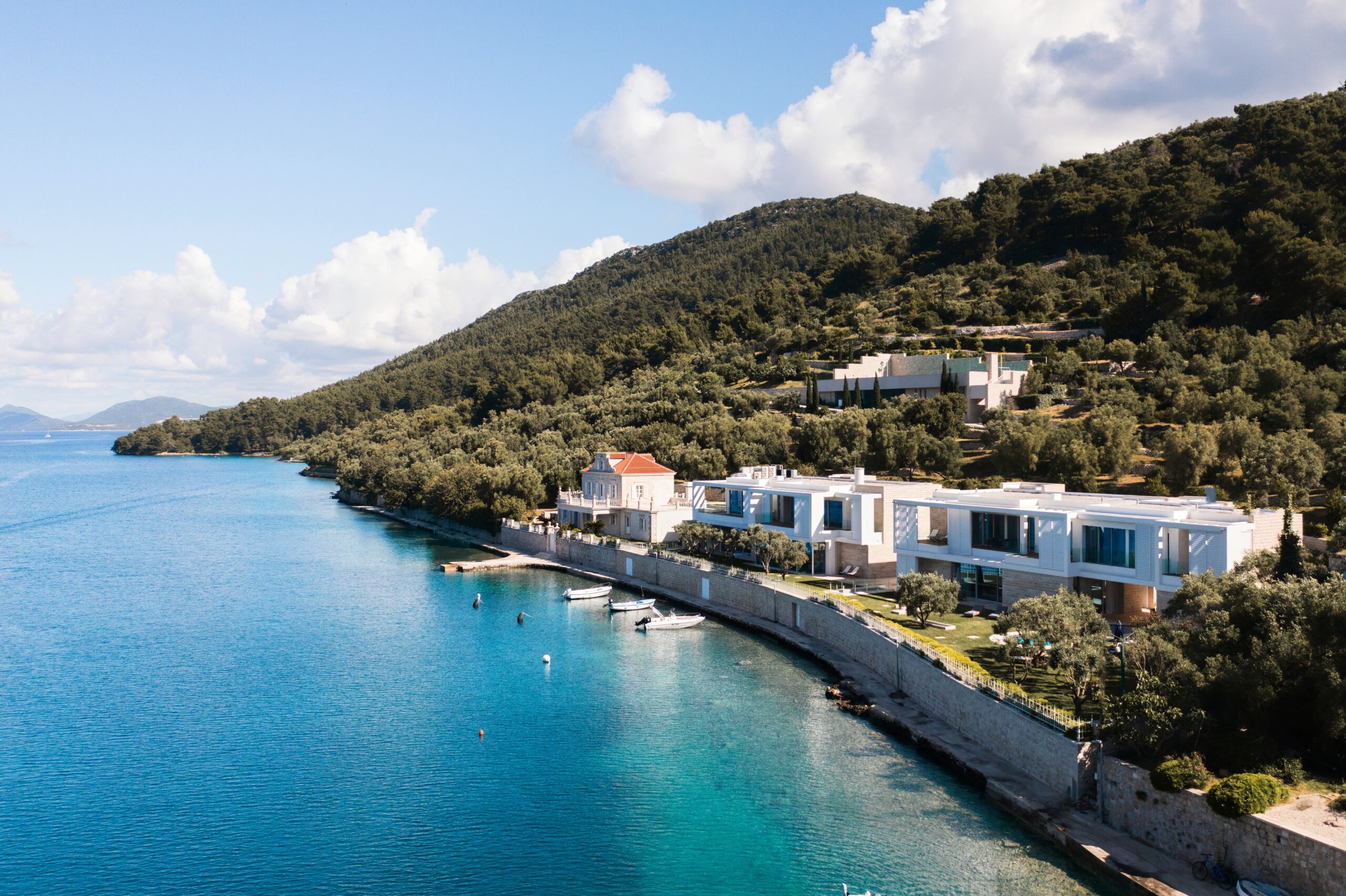
The best thing a guest ever said about this luxury villa on Šipan - Adriatic Jewels Estate - had nothing to do with the view, the cellar, or the eight bedrooms. He called Ivo Violante, the estate's General Manager, out to the balcony one evening last summer, sat him down, and told him something that has stayed with him since.
“Ivo, you did something I didn’t think was possible,” the guest said. “I breathe, and I don’t have a single thought in my mind.”
Book a personalised video call and we’ll plan your stay.
For the man who runs Adriatic Jewels Estate – a luxury villa just minutes by speedboat from the Croatian gem of Dubrovnik – that is the whole job in one sentence. The guest had arrived from a life of thousands of employees and a company tracked on the NASDAQ, and within a few days the island had quietly cleared his mind.
The honest answer is that the estate sells the one thing that has become almost impossible to buy.
“We are selling something that has become almost impossible to find: time,” Ivo says. “Time to stop, to slow down, to breathe, and to clear your mind of the three hundred and forty days you had before.”
Everything else – the private three-villa estate, five acres above the harbour village of Šipanska Luka, the wellness centre, cinema, wine cellar, and fish delivered from the sea just twenty metres from the kitchen -exists to preserve that feeling. The estate provides the setting. The island does the rest.
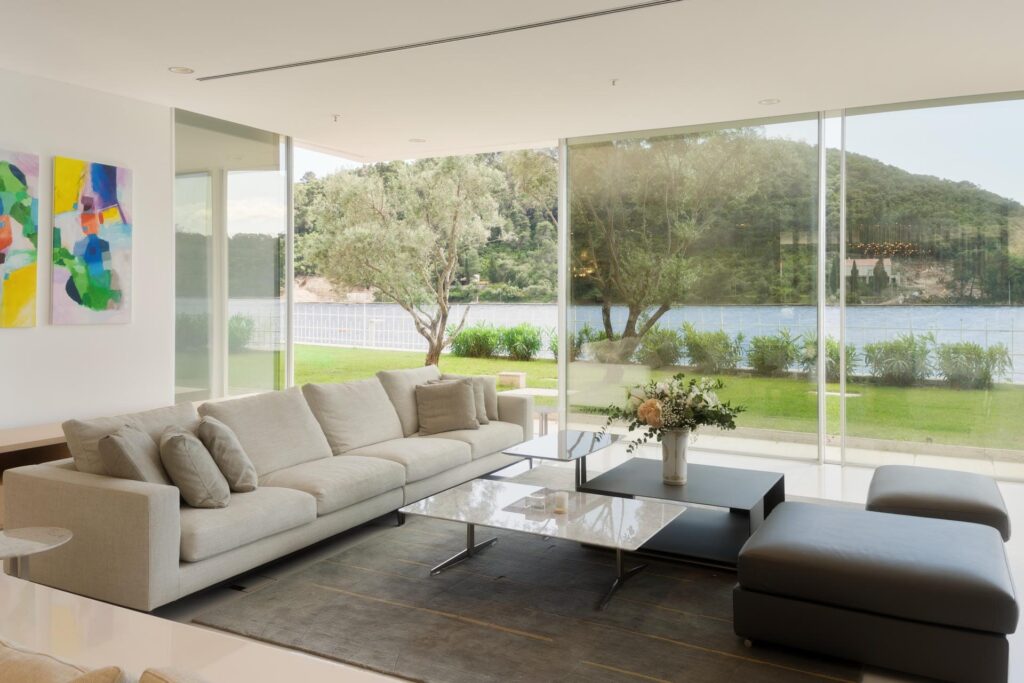
You do not understand Adriatic Jewels Estate until you understand the person holding it together, because almost everything about how it feels traces back to him.
Ivo Violante has spent more than thirty years in hospitality across several continents. He began at fourteen as a dishwasher, in his family’s restaurant in Italy, where his mother ran the kitchen and where he learned early that hospitality was less a profession than a way of life.

At seventeen, he was in London, working for Marco Pierre White. A year later, White sent the young chef to Paris to continue his education under Alain Ducasse. By twenty-five, Ivo was leading a Michelin-starred kitchen in New York, carrying the immense pressure that comes with such responsibility at such a young age.
Each place left its mark. Paris taught him elegance and discipline. Tokyo taught him precision and the beauty of invisible service. Switzerland reshaped his understanding of discretion and privacy. He is, by his own description, an old-school chef, one who travelled the world with ten or twelve books of handwritten recipes long before anyone could simply look something up.
“I think life is so short that we need to treat it like a lemon,” he says. “We squeeze every single drop of juice out of it.”
The move from chef to estate manager was deliberate. Ivo wanted to be closer to the guest, in the daily life of a property rather than behind a pass. Three principles followed him out of the kitchen and now run the estate.
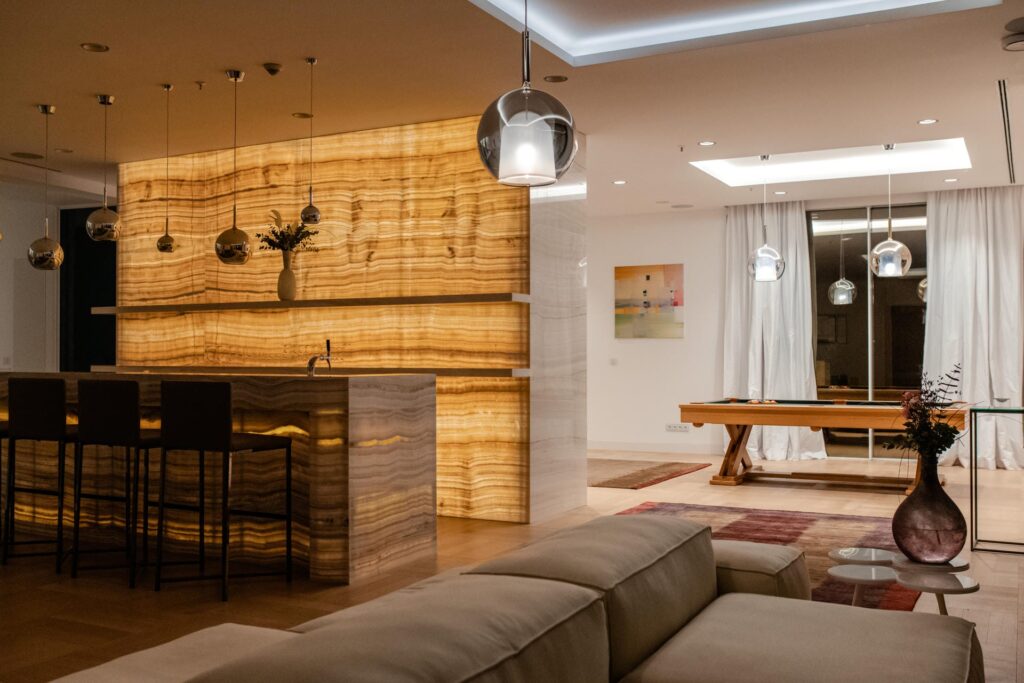
“The best hospitality is the kind nobody notices.”
— Ivo Violante, General Manager of Adriatic Jewels Estate
“Consistency means delivering excellence every day, not only when it is convenient. Anticipation means meeting guests’ needs before they even have to ask. And respect means respecting the guests, your colleagues, your suppliers, and the estate itself,” says Ivo.
The first impression at Adriatic Jewels Estate is the historic Villa Ostro, the main house and the landmark of the estate. Guests typically arrive in quiet awe. Ivo’s work is to ensure that this feeling is never disrupted by something as small as a light switch.
His guiding idea sounds almost too simple until you see it in practice.
“It’s not a paying guest,” he says. “He is a family member who comes to our home, and in time it becomes his home.”
So the luggage disappears into the rooms without anyone noticing. The bedrooms are prepared to each guest’s preferences. Children are settled before the adults have stopped looking around. The aim is for a family to stop thinking about logistics and simply start enjoying where they are.
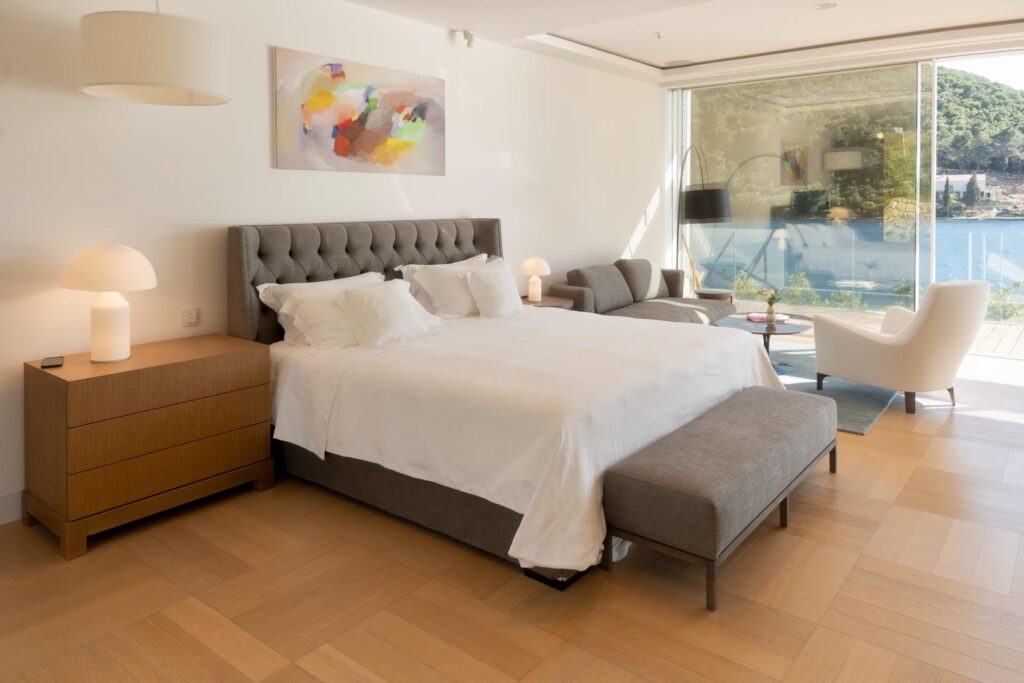
Ivo personally walks each guest through every room, explaining how everything works, from the blinds to the water to the window catches.
“If they come into the room at eleven at night with the lights off, they should know exactly which button to press, as if they had lived there for years.”
He can recite the contents of the estate from memory: how many glasses, how many forks, where the spare blankets are kept, where the napkins are stored. Months on the property before each season give him that knowledge.
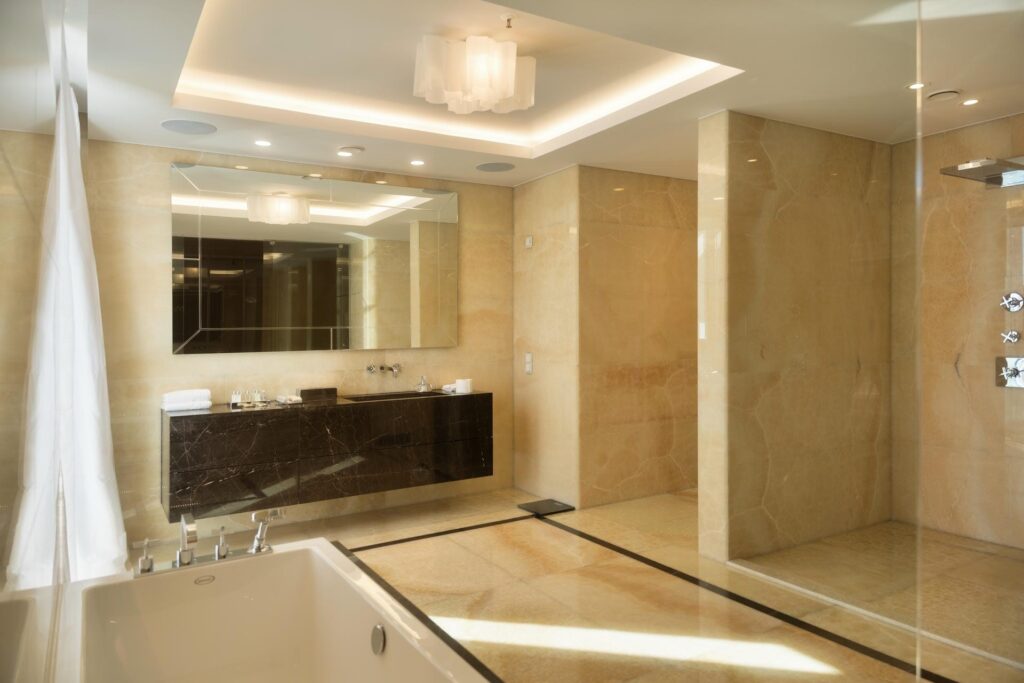
“This house, it’s my house. And in my house, I know where everything is.”
The same instinct shapes who he hires. Standards and etiquette can be taught. Genuine care cannot.
“You cannot teach someone to truly care about another person’s comfort. Guests always recognise authenticity.” A five-star or even seven-star hotel can be flawless, he says warmly, and what his team adds is something else entirely. “We present the soul.”
The estate works closely with local fishermen, who think nothing of calling before dawn.
“They call me at four in the morning and say, ‘Hey Ivo, I’ve just come back with five kilos of sardines, a whole mackerel, a bonito tuna, some oysters.'”
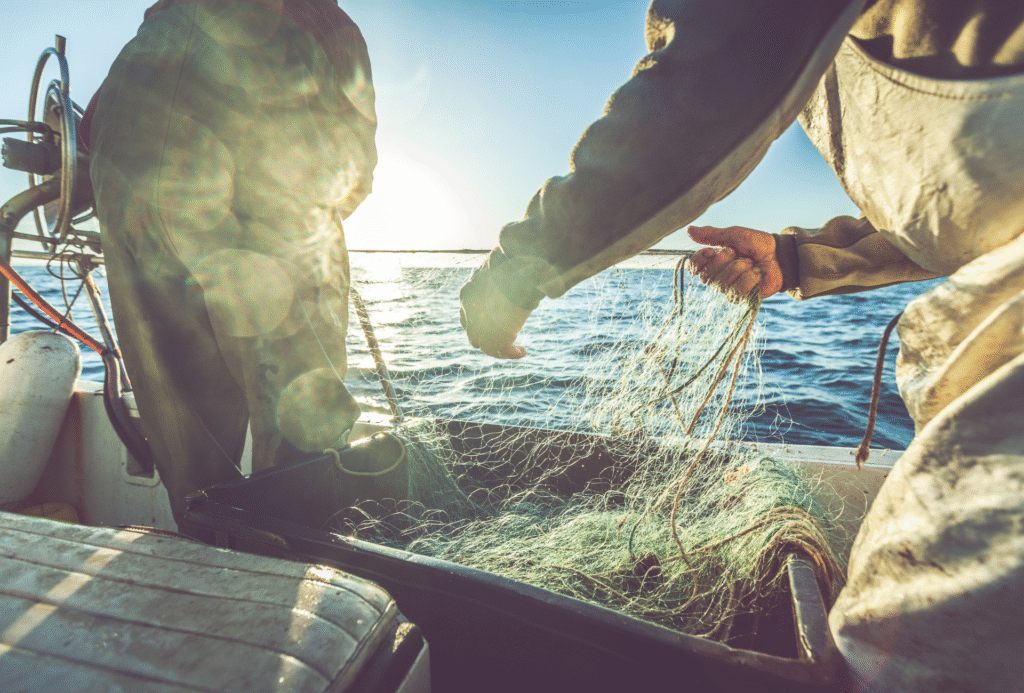
That fish is in the kitchen within the hour. A few things define how the estate eats, and none of them are about extravagance:
– Fish bought straight off the boat from Šipanska Luka fishermen, sometimes hours before service
– Olive oil pressed from the estate’s own groves, among the densest concentrations of olive trees on the island
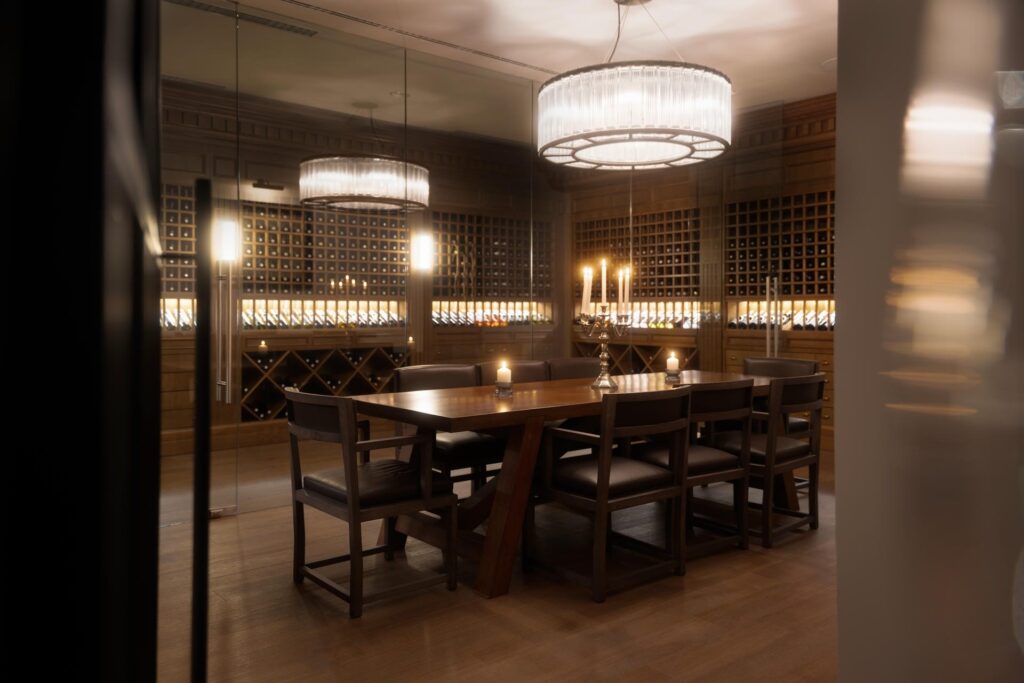
– A cellar given over entirely to small Croatian producers, the kind who make a couple of thousand bottles a year
– Bread, oils and produce served local, so a wine tasting in the cellar becomes a tour of the island itself
“It isn’t even kilometre zero,” Ivo says. “It’s sea to land. Twenty metres from the sea to the kitchen.”
His real obsession is the table, not the technique. Ask anyone about their best meal, he argues, and ninety per cent of people will describe something they ate with family as a child.
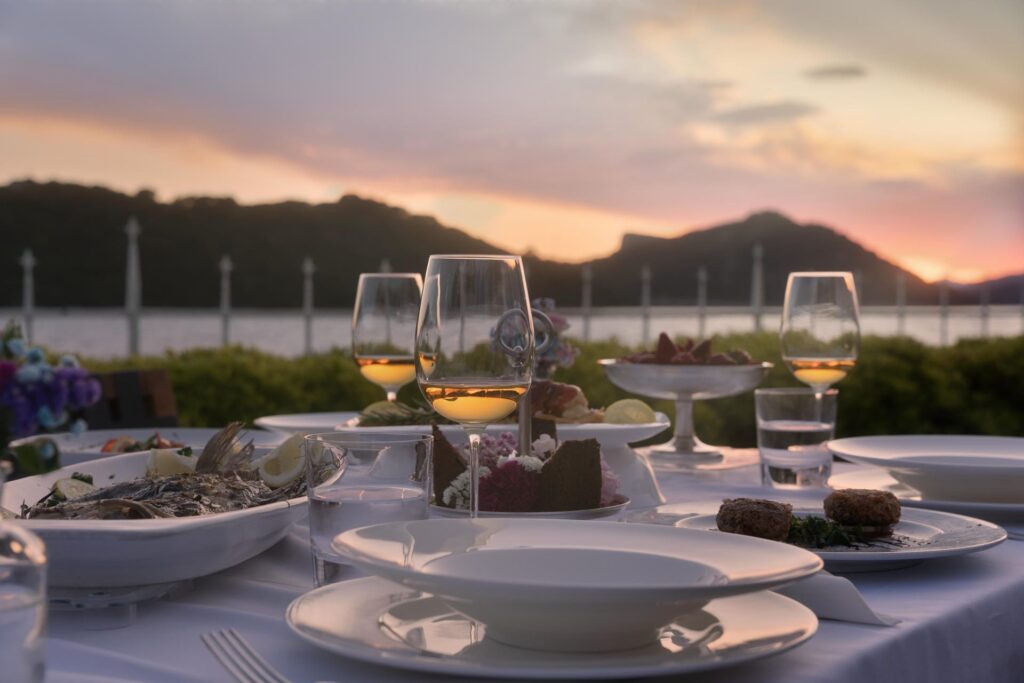
So the team researches. A guest arriving from the Emirates might find the flavours of a dish their grandmother once made, recreated through careful study of the cuisine they grew up with. The reaction is always the same.
“It tastes like something my grandmother used to make,” guests tell him. “Where did you get this recipe?”
For Ivo the standard is unsentimental and absolute. “Food is not good food if it doesn’t touch your soul.”
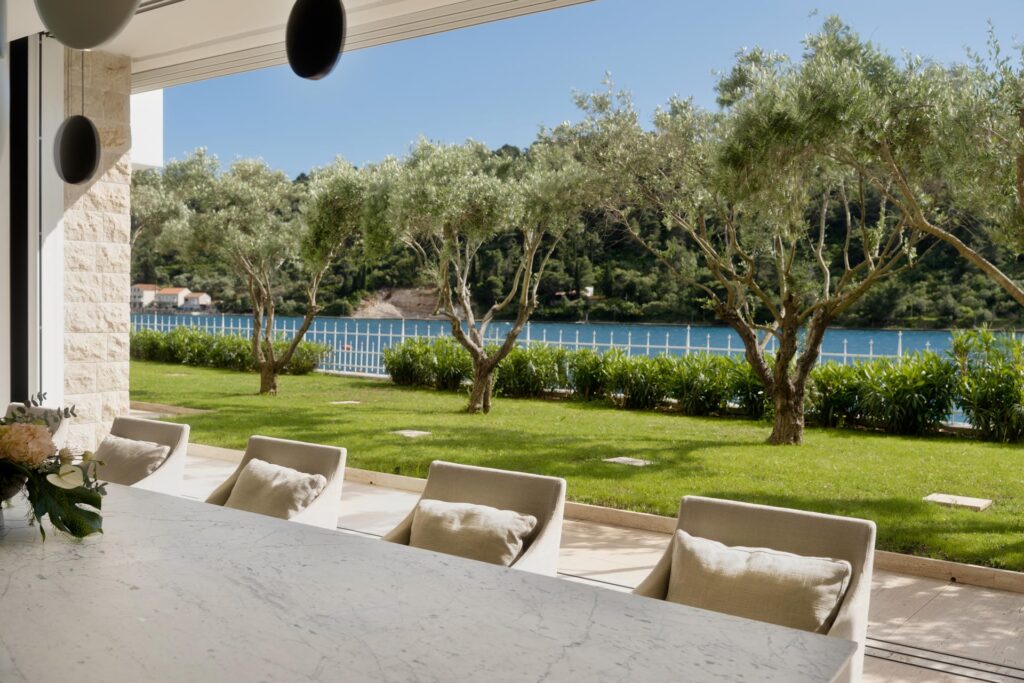
His own favourite moment on the estate is the outdoor dining area at dinner. A long table, family and friends, local wine, the sea behind it, and the light doing the work.
“At eight you sit down. At quarter past, the sun starts going down and the colour changes, yellow to orange to red. Those moments become memories.”
Behind it all, the cicadas and the waves keep time. Given the choice, he would take a sunset dinner here over a table at a three-star restaurant in Copenhagen.
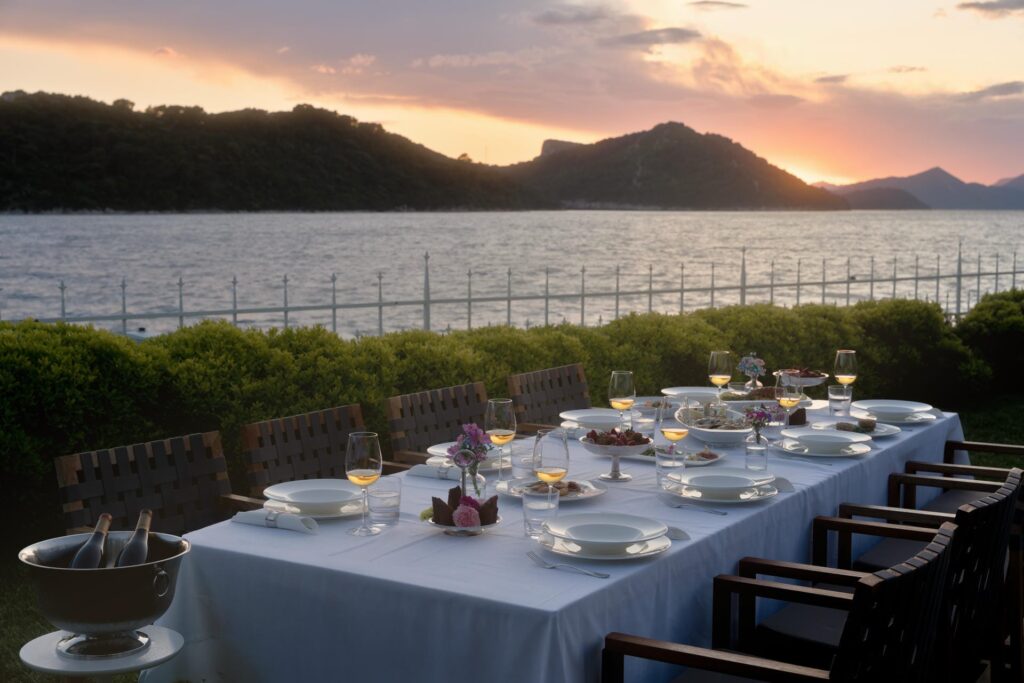
There is a phrase Ivo returns to that sums up the whole philosophy of the estate’s table and cellar.
“Luxury today is authenticity,” he says. “Guests want to know where their food comes from. We cut the fish, we press the olive oil, we make the wine. The local producers are not simply suppliers. They are part of the story.”
Breakfast is laid like a hotel’s, from eight to ten, and then the rules quietly fall away. A guest who would rather eat by the pool eats by the pool. The point is that guests are not only receivers of a service here. They help shape the day, the way you would in your own home, rather than waiting to be served in someone else’s.
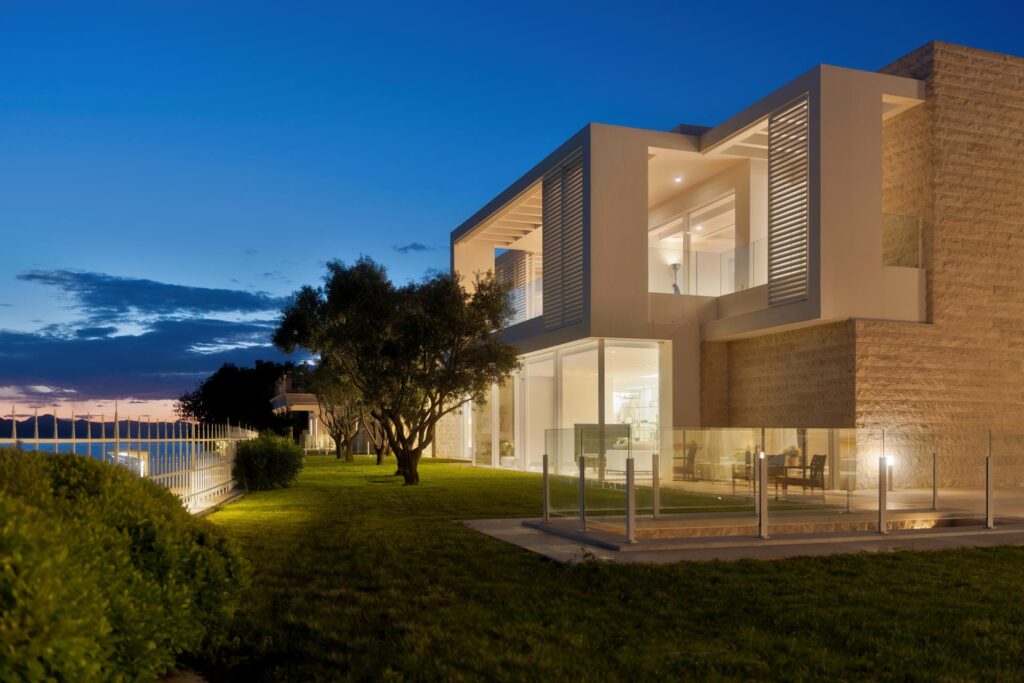
Ask Ivo whether Adriatic Jewels Estate could exist somewhere else, and the answer is immediate. The island is not the backdrop. It is the main event.
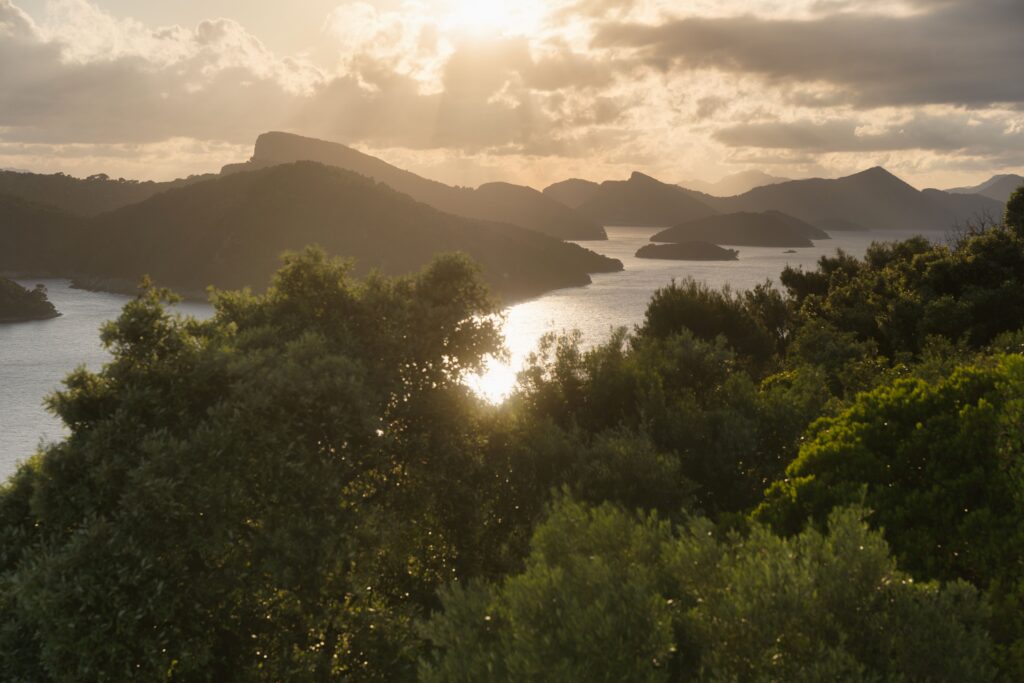
Šipan was once a retreat for the noble families of Dubrovnik, and it still keeps that older, slower character: olive groves, vineyards, maritime history, a harbour lined with late-Gothic and Renaissance summer manors. Guests feel the change happen on a predictable curve.
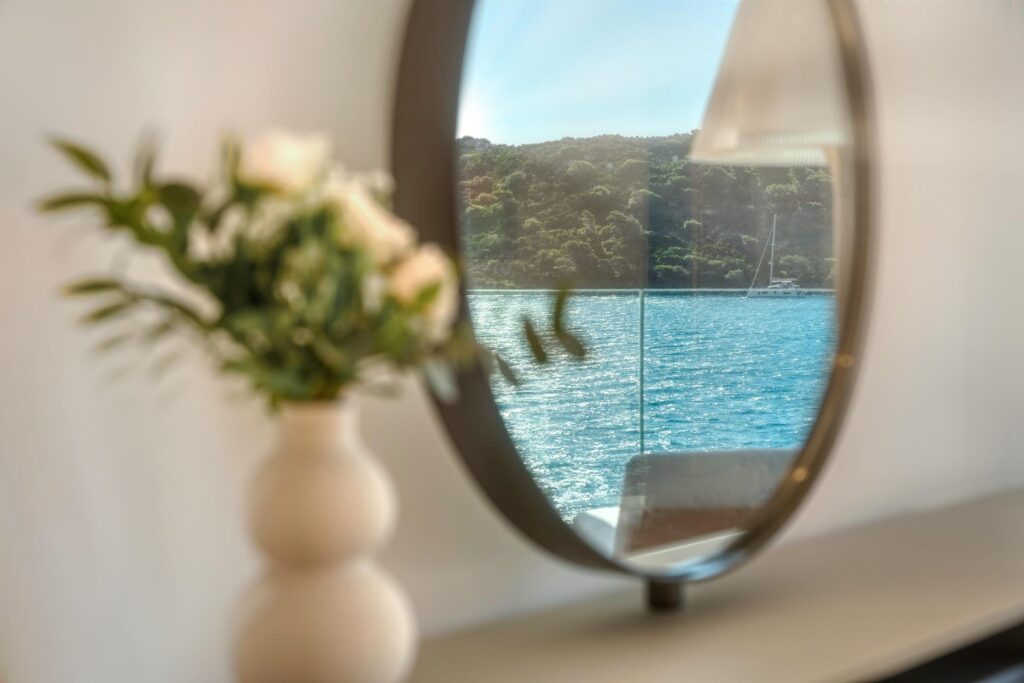
“The first day is an adjustment day. The second day, you’re still adjusting. By the third day, the guest gets into the rhythm of the island, and the island is telling you to slow down, breathe, talk, enjoy.”
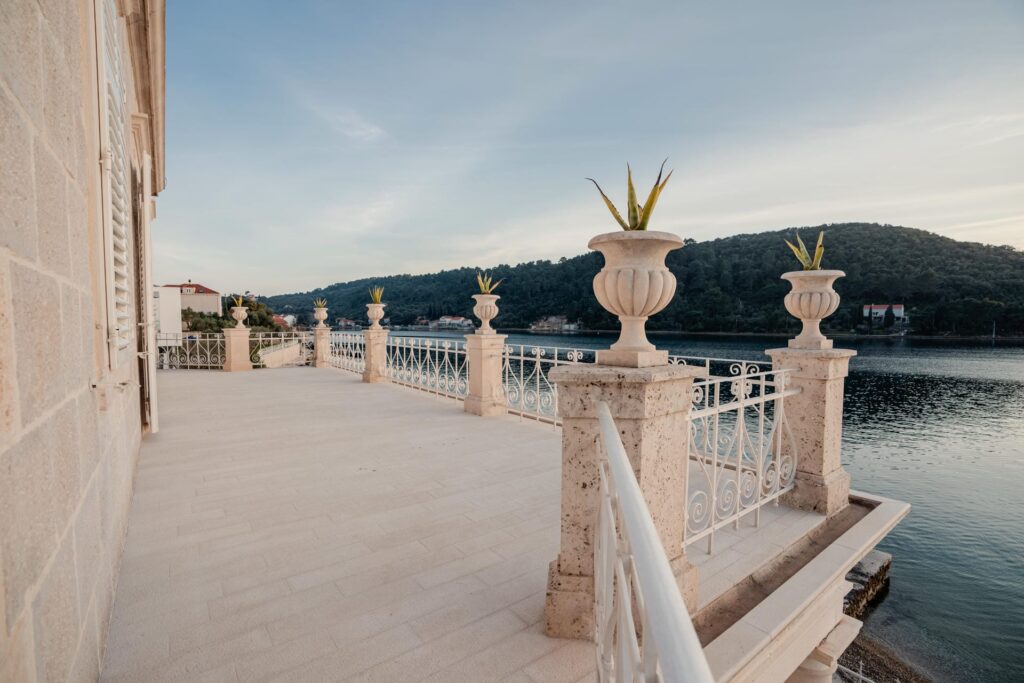
By then the phones are down. People sit on the balcony in the morning, coffee in hand, looking at the sea and actually talking. Time stops being counted at all.
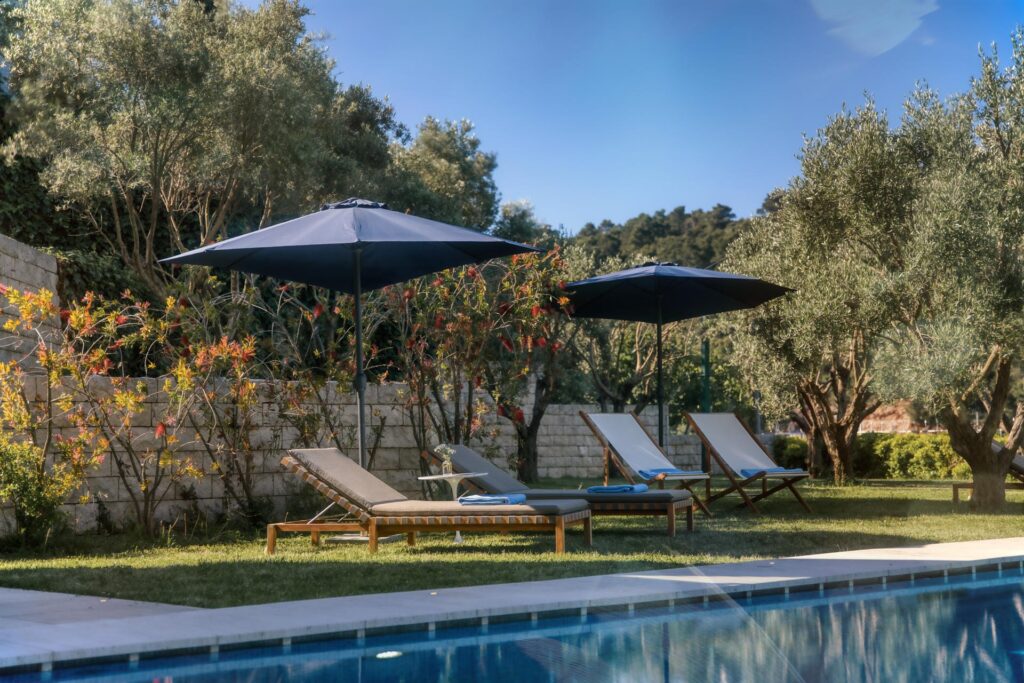
Step outside the gate and the island looks much as it did a century ago: fishermen mending their nets along the promenade, the local cats everywhere, the sound of waves and birds. Step back inside and there is a full-size pool, a sauna, a hammam, a steam room, an ice bath, a massage room.
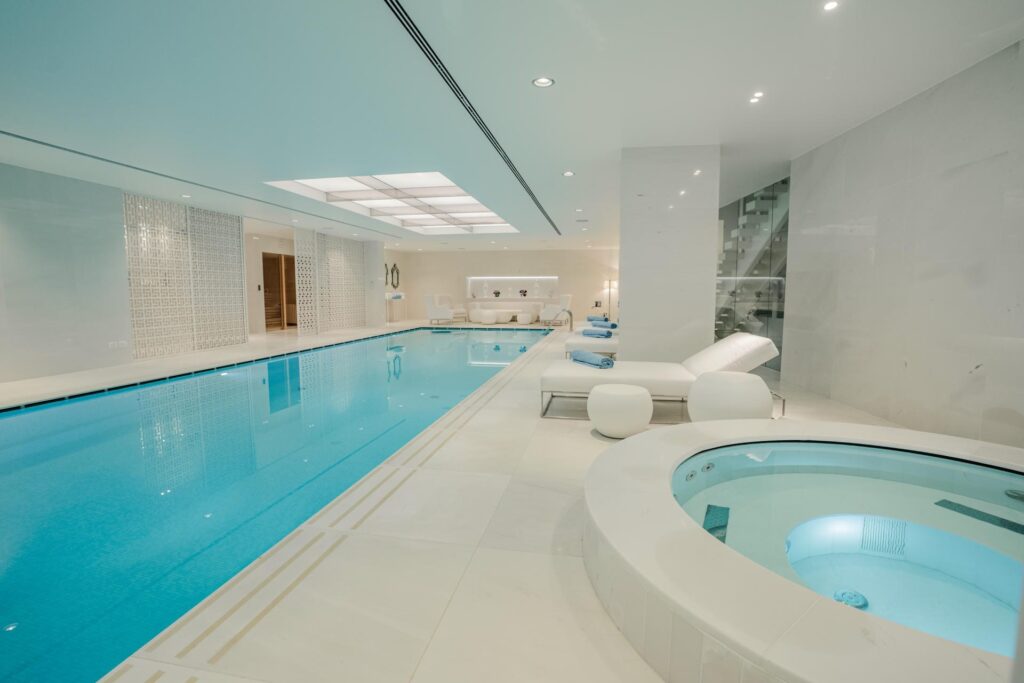
“You have everything a luxury hotel has,” he says, “and at the same time it feels like home.”
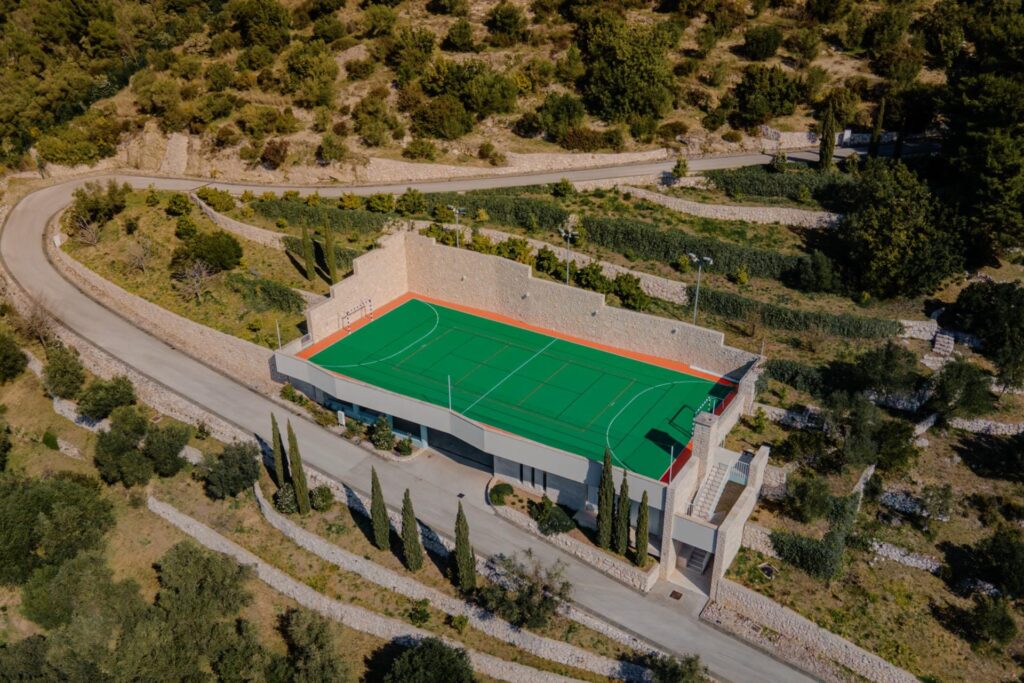
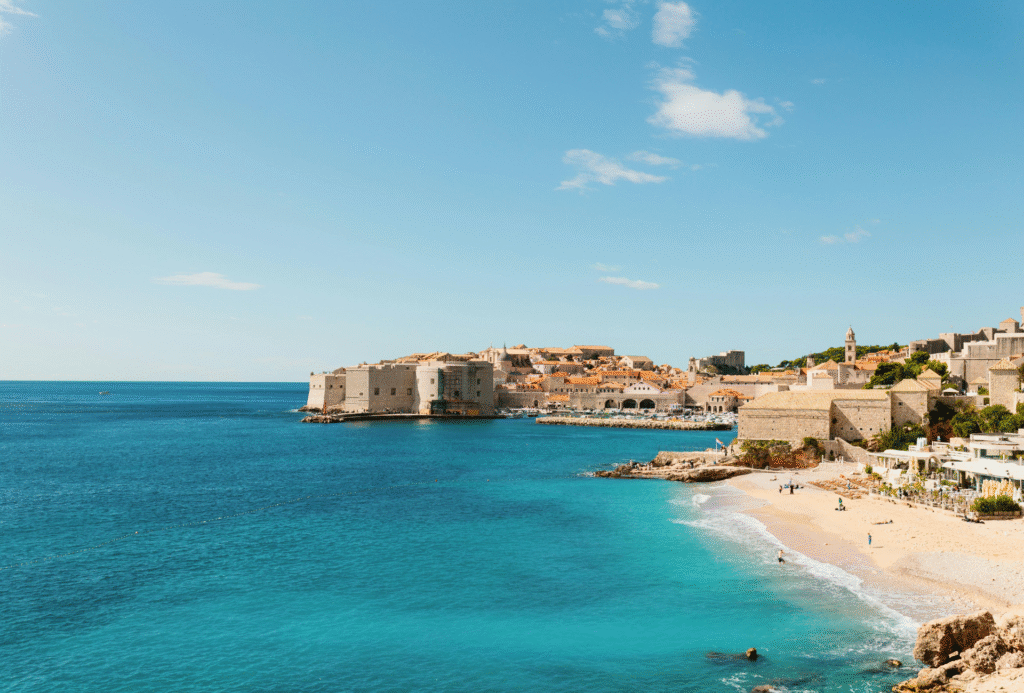
That is what lets a stay move at two speeds. A morning can hold a boat trip to the nearby island of Mljet and an oyster tour, and the same day can end with a sauna, a swim, and dinner at sunset. Guests slide between the two without thinking about it.
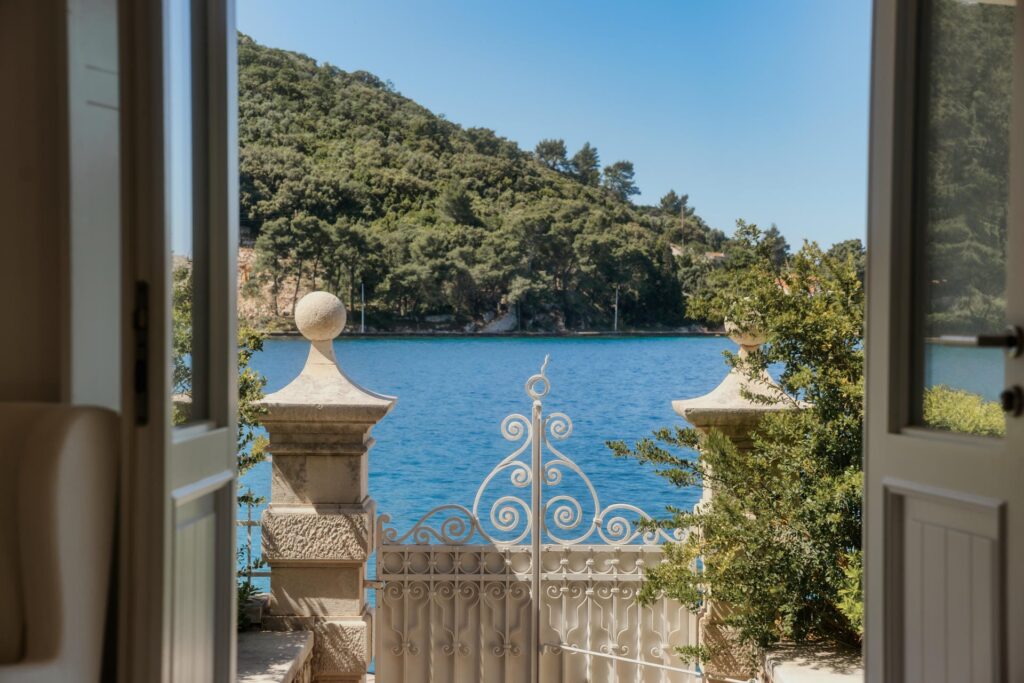
For all the amenities, Ivo is clear that none of them are the point. The luxury he cares about is harder to name and far harder to deliver.
He has stayed at the very top of the hospitality world, and it taught him what he wanted his own estate to lead with: genuine warmth, and the feeling of being known as a person.
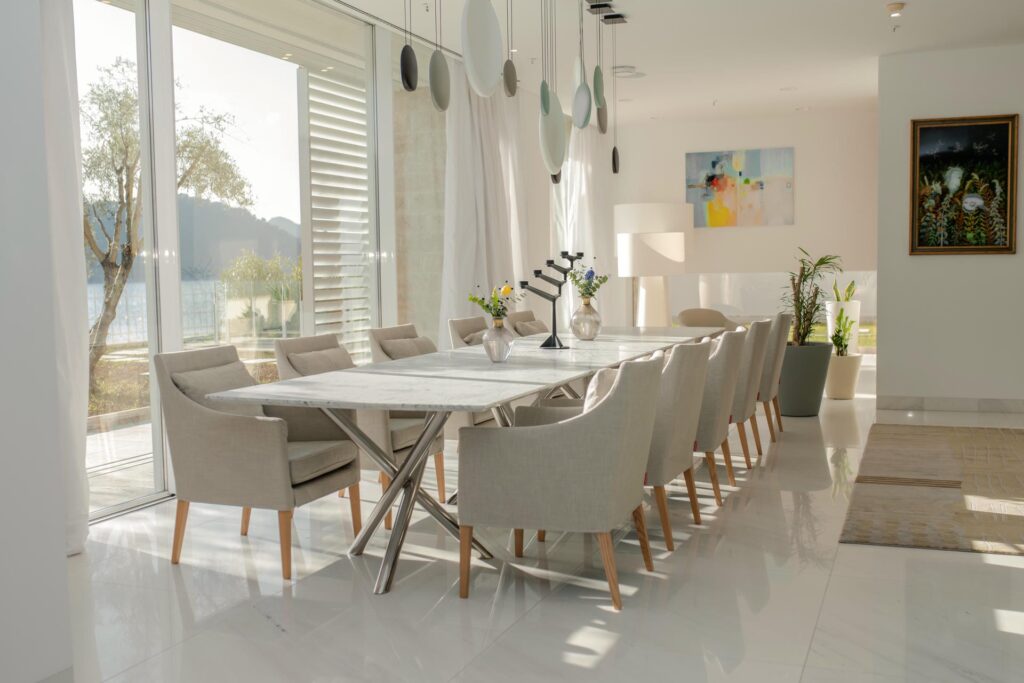
“Right now, the most important thing people expect is genuine human care,” he says. “I don’t make a distinction if my guest is a prince or the head of a company. I look at the human being he is.”
He hopes his busiest guests leave remembering not the boardroom, but the child who once spent afternoons throwing stones into a lake with his grandparents. To him, success is measured by the simple moments people rediscover: a leisurely breakfast, a long dinner, a moment to pause and breathe.
That is what the man on the balcony had found, in the end. Not a service, not a feature, but a few days where his own mind finally went quiet.
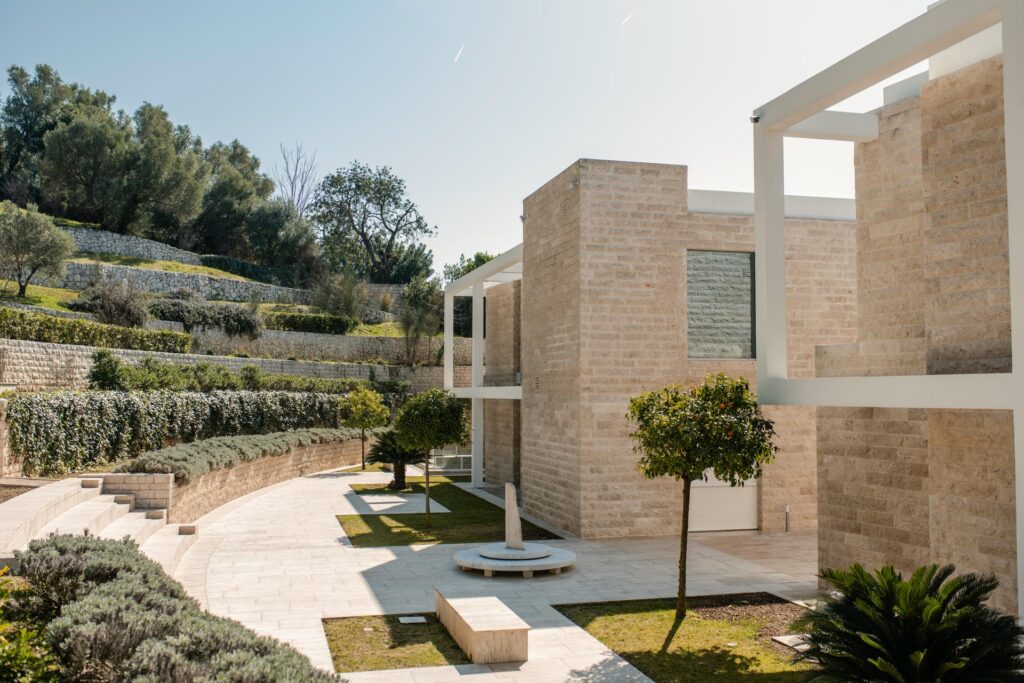
What that takes is surprisingly little: a few mornings with nothing to decide, a long table at sunset, and an island that refuses to rush you. Šipan has kept that pace for centuries, and it remains the easiest thing in the world to fall into. If you can already picture yourself there, coffee in hand and the sea going still, we would like to hear what your week on the island would look like.
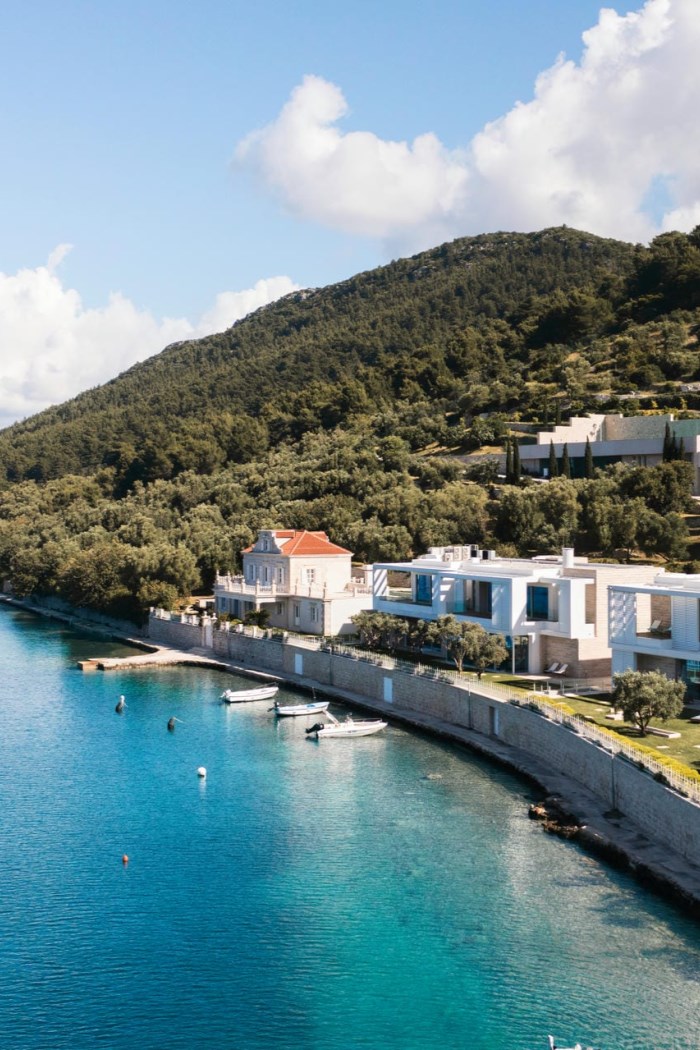


From EUR 80,000 per week to price on request
View detailsLet’s talk! Schedule a personalised video call with our team to discuss your questions.
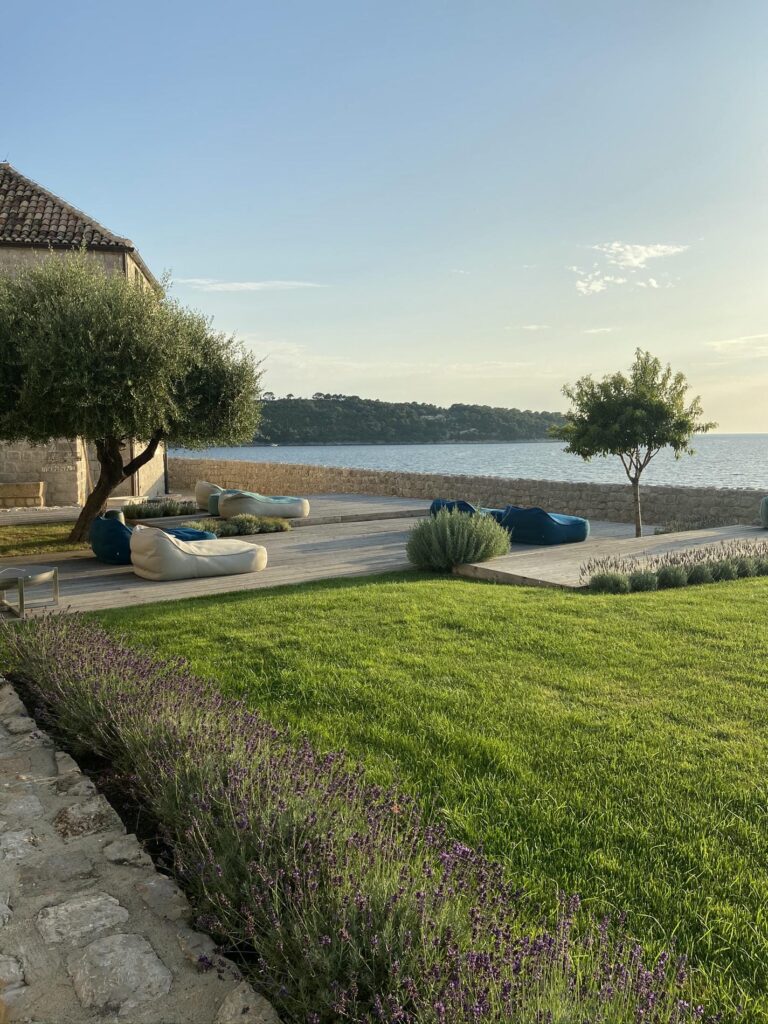
Lopud 1483
Lopud 1483 offers generous interiors, sunlit gardens, and notable art collection create...
Read more
Kim Kardashian
Famed for her lavish holidays, Kim has explored some of the most...
Read more
Guide
Every day, we receive enquiries from clients seeking to book luxury villas...
Read more